
Psychoactive substances are natural or synthetic substances that act on the central nervous system and alter mental processes such as mood, perception, cognition, consciousness, and behaviour. These substances may be legally prescribed medications (e.g., pain medications or sedatives), legally available substances such as alcohol or caffeine, or controlled or illicit drugs. Psychoactive substances can be used for medical, social, cultural, or recreational purposes, but some carry risks of misuse, dependence, and health or social harms when used in harmful ways.
Psychoactive Substances
Non-Medicinal Ritalin Use: Study Enhanced, But Taking a Chance
New research published in the Journal of Neural Transmission highlights a number of potential adverse side-effects from using the stimulant drug Ritalin without a prescription. Ritalin (Methylphenidate) is medically used to treat Attention...
The Effects of Psychoactive Substances on Driving
The Canadian Centre on Substance Abuse (CCSA) has released a new report detailing possible effects of psychoactive prescription drugs while driving. The study was carried out with the effort to inform policy decisions aimed at reducing the...
Cocaine Elicits Autophagic Cytotoxicity via a Nitric Oxide-GAPDH Signaling Cascade
Abstract Cocaine exerts its behavioral stimulant effects by facilitating synaptic actions of neurotransmitters such as dopamine and serotonin. It is also neurotoxic and broadly cytotoxic, leading to overdose deaths. We demonstrate that the...
Wide Eyes and Slurred Words: The Dangers of Mixing Alcohol with Energy Drinks
Mixing energy drinks with alcohol is becoming increasingly popular. And yet, recent research suggests that combining the two could be risky, more so than drinking alcohol on its own or with more traditional mixers such as coca-cola or...
The Growing Need to Address the Use of New Psychoactive Substances
A recent paper published in the International Journal of Drug Policy addresses the current health responses to new psychoactive substances (NPS), highlighting key issues to inform the planning and implementation of adequate responses in the...
The Drug Problem in the Americas: Drugs and Public Health
Summary and Findings Most people do not use illicit drugs and among those who try them, only a fraction will develop patterns of dependence. Still, drug use constitutes a serious health problem for many people in the Americas. Early age of...
ESPAD Report 2015
The European Schools Survey Project on Alcohol and Other Drugs (ESPAD) collects comparable data on substance use among 15- to 16-year-old students. It monitors drug usage trends within, as well as, between European countries. The latest...
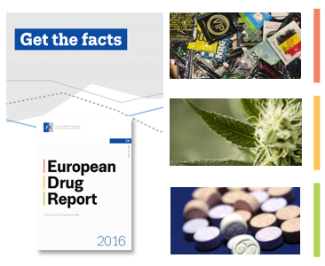
Key Points from EMCDDA’s 2016 European Drug Report
As we welcome in the New Year it seems an ideal time to take stock and present the key points from the 2016 European Drug Report (EDR), the European Monitoring Centre for Drug and Addiction’s (EMCDDA) annual review of the European drug...
Scotland and New Psychoactive Substances
A collaborative research project geared towards understanding the patterns of use, motives and harms of New Psychoactive Substances (NPS) - commonly referred to as ‘Legal Highs’ - in Scotland has recently published its findings. Amongst the...
Alcohol + Energy Drinks May Make You Drink More
Research has shown that people tend to drink more when they consume alcohol combined with energy drinks. Mixing energy drinks and alcohol is known to reduce the feeling of drunkenness as the stimulants in energy drinks dampen the sedative...