Psychoactive substances are natural or synthetic substances that act on the central nervous system and alter mental processes such as mood, perception, cognition, consciousness, and behaviour. These substances may be legally prescribed medications (e.g., pain medications or sedatives), legally available substances such as alcohol or caffeine, or controlled or illicit drugs. Psychoactive substances can be used for medical, social, cultural, or recreational purposes, but some carry risks of misuse, dependence, and health or social harms when used in harmful ways.
Psychoactive Substances
Candyflipping and Other Combinations: Identifying Drug–Drug Combinations from an Online Forum
Novel psychoactive substances (NPS) refer to synthetic compounds or derivatives of more widely known substances of abuse that have emerged over the last two decades. Case reports suggest that users combine substances to achieve desired...
Taking a New Line on Drugs
This report, ‘Taking a New Line on Drugs’, comes at a timely moment for drugs strategy both in the UK and across the world. The special session of the United Nations General Assembly on the world drug problem, which took place in New York...
The health and social effects of the medicinal use of cannabis
Resumen Cannabis is the psychoactive substance under international control used in the world. In 2013, about 181.8 million of people from 15 to 64 years worldwide have used cannabis without medical purpose (estimate of uncertainty of 128.5...
Social and effects to the health of non-medical cannabis use
Overview Cannabis is the substance psychoactive under international control most widely used around the world. It is estimated that, in 2013, 181.8 million people aged 15 to 64 consumed cannabis without medical purposes around the world...
Study on patterns of psychoactive substances consumption in indigenous and groups originating from the city of Mexico 2014
This interesting text is the product of collaboration between the Institute of care and prevention of addictions (IAPA) and the National Institute of Psychiatry Ramón de la Fuente Muñiz (INFRDM), institutions that share the commitment to...
2017 annual bulletin, National Observatory on drugs of Guatemala
INTRODUCTION The National Observatory on drugs (OND) of the SECCATID works in the Constitution of a network of information on drugs (RID) in Guatemala, with the members of the Commission against addiction and illicit drugs - CCATID - and...
Evaluating Clinical Stop‐Smoking Services Globally: Towards a Minimum Data Set
Abstract Background and aims Behavioural and pharmacological support for smoking cessation improves the chances of success and represents a highly cost‐effective way of preventing chronic disease and premature death. There is a large number...
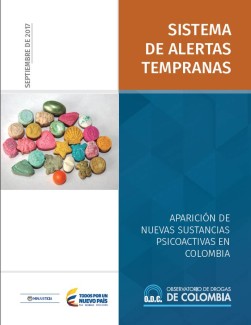
Appearance of new substances psychoactive (NSP) in Colombia
The Ministry of Justice and the law created the system of early alerts (SAT) of Colombia, in order to monitor and alert promptly the emergence of NPS and changes in patterns of drug use, as part of the functions of the Observatory of drugs...
The Economic Impact of Changes in Alcohol Consumption in the UK
Executive Summary The alcohol industry (both manufacturing and sales) is important to the UK Economy as it supports thousands of jobs (IAS, 2017a; Oxford Economics, 2016). However, there are many well documented adverse effects of high...
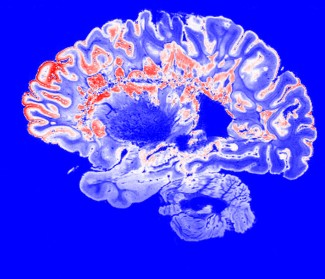
Rise in Glutamate Levels Can Be Used to Predict Drug High
A study funded by the National Institute on Drug Abuse (NIDA) explores the action of psychostimulant drugs on glutamate, one of the most abundant neurotransmitters in the human body. Drugs with a stimulant effect are commonly prescribed to...