
Psychoactive Substances

Psychoactive substances are natural or synthetic substances that act on the central nervous system and alter mental processes such as mood, perception, cognition, consciousness, and behaviour. These substances may be legally prescribed medications (e.g., pain medications or sedatives), legally available substances such as alcohol or caffeine, or controlled or illicit drugs. Psychoactive substances can be used for medical, social, cultural, or recreational purposes, but some carry risks of misuse, dependence, and health or social harms when used in harmful ways. 

VNGOC Asia-Pacific Working Group

Event Date
 - 
Online
- Global -

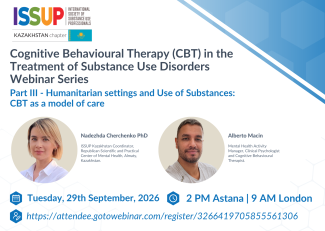
The Ad-Hoc Asia-Pacific Working Group of the Vienna NGO Committee on Drugs is pleased to invite you to participate in the Asia-Pacific regional civil society 

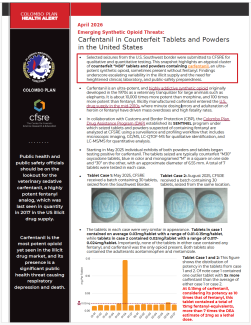
Carfentanil Detected in Counterfeit Tablets and Powders: What the Substance Use Workforce Should Know

Community update
A new health alert reports carfentanil in counterfeit “M30” tablets and powders seized at the United States Southwest border. Carfentanil is an extremely potent synthetic opioid, and some tablets contained it without any fentanyl. The findings highlight how the appearance of an illicit tablet or powder cannot reliably indicate its contents or strength. Prevention, treatment and recovery professionals should reinforce overdose awareness, naloxone access and timely connections to care. Law enforcement, laboratories and public health partners should follow safe handling protocols, test comprehensively and share emerging drug market information quickly.
CFSRE NPS Discovery programme April 2026 Synthetic Opioid Alert

Xylazine-Fentanyl Positivity and Concentration in Urine Drug Tests

Scientific article
 - 
Abstract Importance The US opioid crisis is currently driven by illicitly manufactured fentanyl combined with an evolving mix of stimulants and adulterants, such as the veterinary sedative xylazine, which further complicate clinical and...