
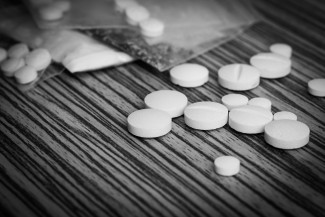
Psychoactive substances are natural or synthetic substances that act on the central nervous system and alter mental processes such as mood, perception, cognition, consciousness, and behaviour. These substances may be legally prescribed medications (e.g., pain medications or sedatives), legally available substances such as alcohol or caffeine, or controlled or illicit drugs. Psychoactive substances can be used for medical, social, cultural, or recreational purposes, but some carry risks of misuse, dependence, and health or social harms when used in harmful ways.
Psychoactive Substances
What is 'Substance Use'?
The following tries to summarise both what “substance use” is, and some of the issues that surround the term.
Synthetic Cathinone and Cannabinoid Designer Drugs Pose a Major Risk for Public Health
As part of an increasing worldwide use of designer drugs, recent use of compounds containing cathinones and synthetic cannabinoids is especially prevalent. Here, we reviewed current literature on the prevalence, epidemiology, bio-behavioral...
Energy Drinks, Drug Use and the Developing Brain
New research funded by the National Institute on Drug Abuse (NIDA) has found that university students who regularly consume energy drinks are more likely to develop alcohol use disorders later in life. The same students are also at greater...
Why Are Females More Sensitive to the Effects of Cocaine?
Previous research has shown that females report more intense highs from cocaine use than do males, and that the former are more likely to become addicted to the drug, given the presence of the female hormone estradiol. However, little is...
Environmental Stressors, Socioeconomic Factors, and Alcohol-Related Problems among Argentinian College Students
Abstract: Introduction: The relationship between alcohol consumption, individual characteristics, and alcohol-related problems may vary according to environmental characteristics in certain populations. Objective: To explore the existence...
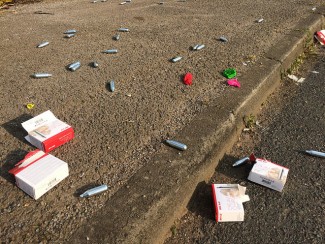
A Serious Matter: Laughing Gas Prompts Review of UK’s Psychoactive Substances Act
Introduced in 2016, The Psychoactive Substances Act is designed to deal with the influx of new drugs often labelled ‘legal highs’. The Act bans any substance that "by stimulating or depressing the person’s central nervous system… affects...
Economic Hardships and Patterns of Drug Consumption in Europe
A new study recently published in the Journal of Health Economics considers the changes in patterns of drug consumption and attitudes towards substances among youth (15-24) across 28 European countries. Of particular interest for the...
Principles of Substance Abuse Prevention for Early Childhood
The National Institute on Drug Abuse’s (NIDA) Principles of Substance Abuse Prevention for Early Childhood (2017) is a special volume that supplements the organisation’s Preventing Drug Abuse Among Children and Adolescents, released in 2003...
The Effectiveness of Illegal Drug Interventions
This Health Research Board document reviews evidence on the effectiveness of interventions in the areas of prevention, harm reduction and long-term recovery from addiction to illegal drugs. It asks which interventions are effective for...
What Is Known about New Psychoactive Substances?
New psychoactive substances (NPS), sometimes referred to as ‘legal highs’, are new drugs that have received much media attention of late. A new study published in Public Health Research reviewed existing research into NPS with the view to...