
Psychoactive substances are natural or synthetic substances that act on the central nervous system and alter mental processes such as mood, perception, cognition, consciousness, and behaviour. These substances may be legally prescribed medications (e.g., pain medications or sedatives), legally available substances such as alcohol or caffeine, or controlled or illicit drugs. Psychoactive substances can be used for medical, social, cultural, or recreational purposes, but some carry risks of misuse, dependence, and health or social harms when used in harmful ways.
Psychoactive Substances
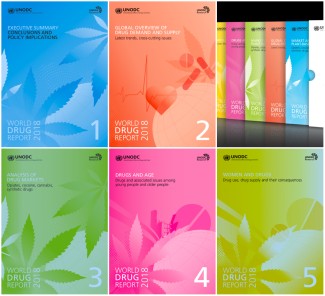
UNODC World Drug Report 2018
The 2018 World Drug Report was launched on 26th June. The report covers a range of topics with the booklets split into drug demand and supply, drug markets, drugs and age, and women and drugs. The booklets are all available free to access...
International Day Against Drug Abuse and Illicit Trafficking
The 26th of June marks the International Day Against Drug Abuse and Illicit Trafficking.
How Teenage Vaping Puts Structure in Place for Heroin and Cocaine Addiction
The rapid adoption of e-cigarettes has been driven, at least in part, by a huge jump in the potency of e-liquids. CIGARETTE SMOKING AMONG teenagers is on the wane. While data show smoking among teenagers has dropped over the past few years...
Multilevel Population-Based Cross-Sectional Study Examining School Substance-Misuse Policy and the Use of Cannabis, Mephedrone and Novel Psychoactive Substances
Abstract Objectives: To examine whether young peoples’ risk of cannabis, mephedrone and novel psychoactive substances (NPS) use is associated with school substance-misuse policy. Design: A cross-sectional survey of secondary school students...
Ibogaine Treatment Outcomes for Opioid Dependence from a Twelve-Month Follow-Up Observational Study
ABSTRACT Background: The psychoactive indole alkaloid ibogaine has been associated with encouraging treatment outcomes for opioid dependence. The legal status of ibogaine in New Zealand provides a unique opportunity to evaluate durability...
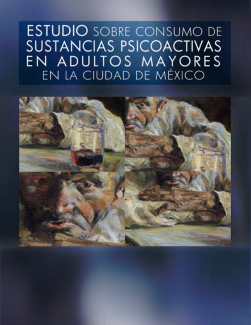
Study on Consumption of Psychoactive Substances in Older Adults in Mexico City
This study aimed to report on the prevalence of alcohol, tobacco, illicit drugs and medical drugs used outside of prescription among seniors enrolled in the food pension program Hai-DF in Mexico City.
Factors associated with cocaine use in users of injectable heroin in Colombia
OVERVIEW Introduction: People who consume heroin and cocaine have increased sexual activity, risk behaviours associated with injection and inconsistent condom use, which would increase the risk of sexually transmitted infections and the...
Drug Addiction: Is Brain Stimulation the Answer?
Transcranial magnetic brain stimulation has allowed researchers to reduce how "excited" the brains of chronic cocaine and alcohol users become in response to drug cues. Drug addiction is a chronic disease affecting 5.4 percent of the...
A Double Blind, Placebo Controlled Trial of Modafinil for the Treatment of Cocaine Dependence without Co-Morbid Alcohol Dependence
Like methadone for heroin dependence, modafinil is an oral medication with similar effects to cocaine but milder, slower in onset and longer-acting - properties which might help plug the gap in effective pharmacotherapies for dependence on...
Medical Marijuana Users Are More Likely to Use Prescription Drugs Medically and Nonmedically
ABSTRACT Objectives: Previous studies have found a negative population-level correlation between medical marijuana availability in US states, and trends in medical and nonmedical prescription drug use. These studies have been interpreted as...