
Psychoactive substances are natural or synthetic substances that act on the central nervous system and alter mental processes such as mood, perception, cognition, consciousness, and behaviour. These substances may be legally prescribed medications (e.g., pain medications or sedatives), legally available substances such as alcohol or caffeine, or controlled or illicit drugs. Psychoactive substances can be used for medical, social, cultural, or recreational purposes, but some carry risks of misuse, dependence, and health or social harms when used in harmful ways.
Psychoactive Substances
Drugs of Abuse
Drugs of Abuse delivers clear, scientific information about drugs in a factual, straightforward way. With the information in this guide, parents and caregivers can help their children make smart choices and avoid the consequences of drug...
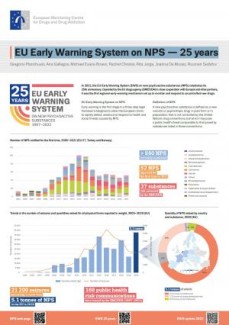
EU Early Warning System on NPS- Poster
Summary This poster, presented during the IX International Conference on NPS(24 to 26 Oct 2022, Panama), showcases some of the work of the EU Early Warning System on new psychoactive substances. Operated by the EMCDDA, in close cooperation...
ADDICTUS 2022, 4th National Forum on Pathological Addictions
ADDICTUS 2022 IV° NATIONAL FORUM ON PATHOLOGICAL ADDICTIONS Riva del Garda Congress Centre (TN) 2 - 4 December 2022 Scientific coordinators: Fabio Lugoboni, Anna Franceschini, Stefano Canali FRIDAY 2.12.22 Neurodevelopmental disorders (DNS)...
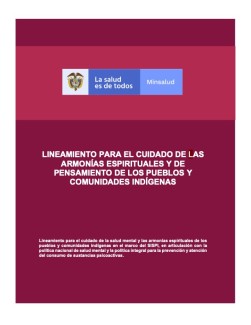
Guidelines for the care of mental health and spiritual harmonies of indigenous peoples and communities in Colombia
Document of the Ministry of Health and Social Protection of Colombia, of guidelines for the care of mental health and spiritual harmonies of indigenous peoples and communities within the framework of SISPI, in coordination with the national...
Community Mental Health Center Success in Prevention and Treatment of People Who Use Psychoactive Substances
ISSUP Peru invites you to participate in a webinar on community addiction prevention and control services. The webinar will take place on Thursday, October 20, 2022 at 11:00 (Peru time) This webinar analyzes the activity that promotes and...
Associated Factors of Care Continuity among People Who are Addicted to Psychoactive Substances at the "La Vie" Center and Jamot Hospital in Yaounde
Purpose: The main objective of this study was to determine the associated factors of care continuity among people who are addicted to psychoactive substances at the "La Vie" Center and Jamot hospital in Yaounde. Problem: The management of...
In- and Out-Group Effects on Social Perception and Empathy in Cocaine Use Disorder
Earlier research revealed that cocaine users display impairments in emotional but not necessarily in cognitive empathy. However, no study to date has tested whether empathy is generally altered or whether impairments are restricted to...
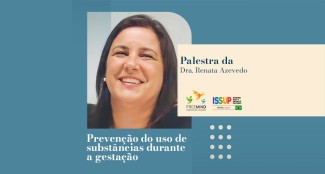
Prevention of substance use during pregnancy - Lecture by Dr. Renata Azevedo
Drug use in Brazil is a real public health problem. When used in a problematic way, it can provoke or increase family crises and violence. The use or dependence of psychoactive substances by pregnant women is quite worrying, since pregnancy...
UNODC discussed the protection of adolescents and young people from psychoactive and narcotic drugs at a round table “Youth for a healthy lifestyle”
On 10 August, 2022, UNODC jointly with the representatives of ministries and state departments of the Republic of Uzbekistan, members of the Youth Parliament at the Legislative Chamber and the Senate of the Oliy Majlis (Parliament), as well...
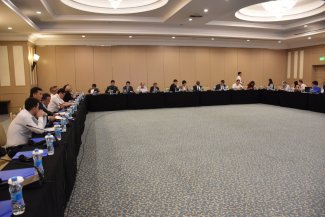
Review of a decade of drug policy: Progress and Challenges
Introduction According to the latest World Drug Report published by the United Nations Office on Drugs and Crime (UNODC) for the year 2022, around 284 million people between the ages of 15 and 64 used drugs.