Psychoactive substances are natural or synthetic substances that act on the central nervous system and alter mental processes such as mood, perception, cognition, consciousness, and behaviour. These substances may be legally prescribed medications (e.g., pain medications or sedatives), legally available substances such as alcohol or caffeine, or controlled or illicit drugs. Psychoactive substances can be used for medical, social, cultural, or recreational purposes, but some carry risks of misuse, dependence, and health or social harms when used in harmful ways.
Psychoactive Substances
Variations in national availability of waivered buprenorphine prescribers by racial and ethnic composition of zip codes
Background Opioid overdose remains a public health crisis in diverse communities. Between 2019 and 2020, there was an almost 40% increase in drug fatalities primarily due to opioid analogues of both stimulants and opioids. Medications for...
Stimulants A Focus on Effective Treatment Interventions and Recovery Supports
During this webinar you will learn how to: -Discuss research findings related to brain recovery following the use of stimulants. -Recall evidence-based behavioural interventions found to be effective in treating people with a stimulant use...
Effect of Community Support on the Implementation of Primary Health Care-Based Measurement of Alcohol Consumption
Abstract Alcohol measurement delivered by health care providers in primary health care settings is an efficacious and cost-effective intervention to reduce alcohol consumption among patients. However, this intervention is not yet routinely...
New Psychoactive Substances (NPS): Synthetic Hallucinogens/ Synthetic Depressants
The Second Webinar was hosted by ISSUP Pakistan and focus on Synthetic Hallucinogens/ Synthetic Depressants.
New Psychoactive Substances (NPS): Synthetic Stimulants/Synthetic Cannabinoids
ISSUP are pleased to present the First Webinar in a series on New Psychoactive Substances (NPS).
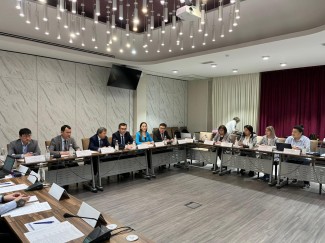
Introduction of new methods and tools for drug use disorders diagnostics and treatment discussed in Kazakhstan
On April 15, 2022, the UNODC Regional Office for Central Asia in collaboration with the Republican Scientific and Practical Center for Mental Health held a “National Round Table Discussion on the application of new methods and tools of drug...
Khan, M & Aslam, N. (2020). Prevalence of Caffeine Intake among Cigarette Smokers: Directing Caffeine Use Disorder among Pakistani Population, Pak J Med Res, 59 (1), 15-21.
Background: Caffeine is the most commonly used psychoactive drug, being widely enjoyed and open handedly taken all around the world. The use of tea, coffee, soft drinks, chocolates etc is quite common without any sort of consideration to...
Approach to the health situation of adolescents and young people linked to the Criminal Responsibility System
Technical document of the Ministry of Health and Social Protection, is built from an approach to the international evidence on health of adolescents and young people linked to judicial systems; recognizes the national evidence of the...
Non-opioid prescription misuse
This presentation explored the who, how and why of non-opioid prescription drug misuse focusing on antipsychotics, stimulants and pregabalin. While much is known about the prevalence and associated harms of prescription opioid and...
European Commission adopts measures to control two harmful new drugs amidst health concerns and surge in supply
Today, the European Commission has adopted measures to control two harmful new psychoactive substances (NPS) across the EU. The substances in question — 3-methylmethcathinone (3-MMC) and 3-chloromethcathinone (3-CMC) — are both synthetic...