
Psychoactive substances are natural or synthetic substances that act on the central nervous system and alter mental processes such as mood, perception, cognition, consciousness, and behaviour. These substances may be legally prescribed medications (e.g., pain medications or sedatives), legally available substances such as alcohol or caffeine, or controlled or illicit drugs. Psychoactive substances can be used for medical, social, cultural, or recreational purposes, but some carry risks of misuse, dependence, and health or social harms when used in harmful ways.
Psychoactive Substances
Situation of Homelessness and Substance Use in India and the Impact of COVID-19 Pandemic
Availability of safe and comfortable shelter is one of the elementary human needs essential for both an individual’s survival as well as social development. However, even in the 21st century, about one fifth of the world’s population lives...
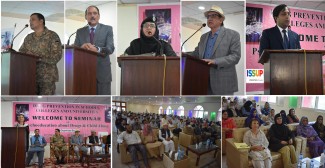
Seminar on “Psycho-Education about Drugs and Child Abuse” for Drug Use Prevention in Schools, Colleges and Universities by Department of Psychiatry Poonch Medical College Rawalakot-AJK in Collaboration with ISSUP Pakistan, Pakistan Psychiatric Society AT
Seminar on “Psycho-Education about Drugs and Child Abuse” for Drug Use Prevention In Schools, Colleges, and Universities organized by Department of Psychiatry Poonch Medical Collage Rawalakot-AJK in collaboration with ISSUP Pakistan Chapter...
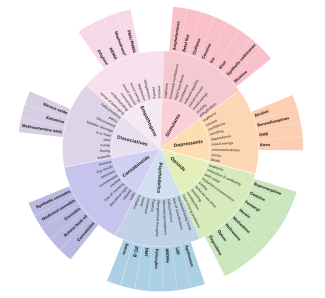
ADF Drug Wheel
The ADF Interactive Drug Wheel classifies drugs as part of seven general categories: Stimulants, Depressants, Cannabinoids, Psychedelics, Opioids, Dissociatives and Empathogens. Find out about the effects of drugs and more information about...
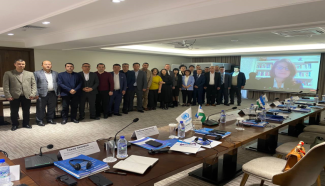
National policymakers and key stakeholders in Central Asia increase their knowledge of the quality assurance system related to drug use disorders through UNODC trainings
The UNODC Regional Office for Central Asia (ROCA) conducted a series of national trainings on "Quality Assurance (QA) of Drug Use Disorder Treatment Systems", which took place from 27 to 28 February 2023 in Tashkent, Uzbekistan, from 2 to 3...
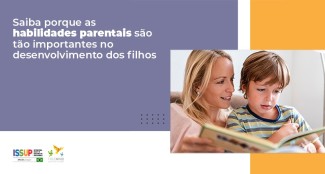
Parenting Skills and Practices
The relationship between children and their parents has a great influence on most spheres of child development. Optimized, parenting skills, behaviors, and practices positively influence the child's self-esteem, school success, cognitive...
Repetitive transcranial magnetic stimulation (rTMS) is associated with increased abstinence in substance use disorders and comorbid depression
BACKGROUND: Substance use disorders (SUDs) are associated with high rates of comorbid depression. Finding effective treatments for many of the substances of abuse is still an area of developing research. Repetitive transcranial magnetic...
New Psychoactive Substances – Designer Benzodiazepines
ISSUP Pakistan present their Webinar on New Psychoactive Substances – Designer Benzodiazepines.
Psychological factors and the use of psychoactive substances in relation to sexual orientation: A study on Israeli young adults.
In the context of sexual minorities and the distress they may experience, recent years have witnessed a trend emphasizing the idea that protective factors may curb risk behaviors, while stressing that not all sexual minorities do experience...
The need to establish the first safe consumption site in Israel
The paper presents the case for establishment of safe consumption sites (SCS) in Israel. An SCS, also known as a drug consumption room (DCR), provides a safe and medically supervised setting for people who inject drugs (PWID) to use drugs...
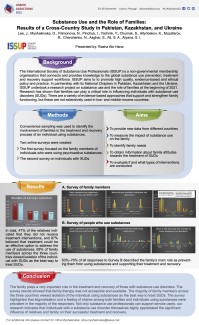
ISSUP Poster for Lisbon Addictions 2022: Study on substance use and the role of families in Kazakhstan, Pakistan and Ukraine
The fourth European Conference on Addictive Behaviours and Dependencies took place in Lisbon from 23-25 November 2022. Under the overarching theme of Global Addictions, LxAddictions22 showcased cutting-edge research to help characterise...