Psychoactive substances are natural or synthetic substances that act on the central nervous system and alter mental processes such as mood, perception, cognition, consciousness, and behaviour. These substances may be legally prescribed medications (e.g., pain medications or sedatives), legally available substances such as alcohol or caffeine, or controlled or illicit drugs. Psychoactive substances can be used for medical, social, cultural, or recreational purposes, but some carry risks of misuse, dependence, and health or social harms when used in harmful ways.
Psychoactive Substances
Association between vmPFC gray matter volume and smoking initiation in adolescents
Abstract Smoking of cigarettes among young adolescents is a pressing public health issue. However, the neural mechanisms underlying smoking initiation and sustenance during adolescence, especially the potential causal interactions between...
Alcohol-associated bowel disease: new insights into pathogenesis
Abstract Excessive alcohol drinking can cause pathological changes including carcinogenesis in the digestive tract from mouth to large intestine, but the underlying mechanisms are not fully understood. In this review, we discuss the effects...
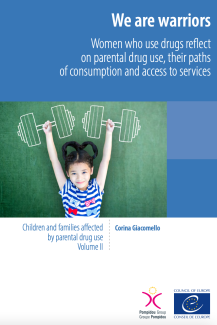
Children and families affected by parental drug use Volume II
In 2022, the project on children whose parents use drugs continued with threefold research: i. qualitative research based on interviews with children whose parents use drugs and with women who use drugs; ii. collection and analysis of...
HEAL Connections Sharing Session: Inclusive Language, Imagery, and Storytelling for Addiction and Pain Researcher Teams
In consideration of the distinct challenges HEAL Initiative research teams face, we will host two focused sessions on this topic, one focused on addiction, and one focused on pain, to broadly cover the HEAL portfolio. This is part 2 of the 2-part series. What You Will Learn:
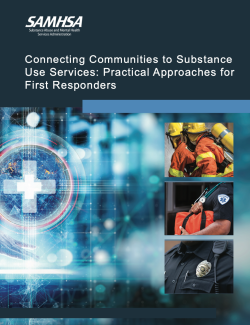
Connecting Communities to Substance Use Services: Practical Approaches for First Responders
Abstract During their day-to-day work, first responders such as law enforcement officers, firefighters, and emergency medical services (EMS) personnel often encounter people who use drugs (PWUD), including alcohol, opioids, stimulants, and...
Supporting displaced people from Afghanistan and host communities in neighbouring countries – UNODC regional workshop on drug use prevention, treatment and care
From 5th to 9th June, UNODC organized a hybrid regional workshop with a total of 42 participants from the government, civil society organizations (CSOs) and UN agencies, to assist the strengthening of evidence-based prevention, treatment...
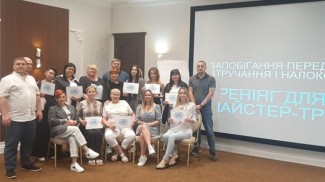
Stop Overdose Safely: UNODC successfully trained Ukrainian CSOs on emergency management of opioid overdose
From 6th to 8th June 2023, the UNODC Programme Office for Ukraine (POUKR) and the UNODC Prevention, Treatment and Rehabilitation Section (PTRS), jointly with Ukrainian NGOs, “Club Eney” and “Conviktus”, organized an in-person “Stop Overdose...
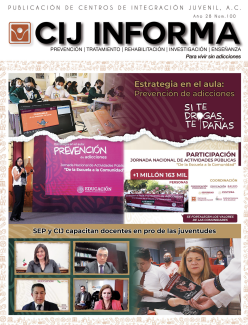
CIJ Informa No. 100
CIJ Informa No.100 Centros de Integración Juvenil (CIJ), host institution of the ISSUP Mexico Chapter, has published the 100th edition of the CIJ Informa Magazine, where in addition to sharing information about the different activities it...
Alcohol Toxicology
ISSUP Colombia invites you to its Webinar on Toxicology of drugs of abuse.
UNODC conducted Regional Training of Trainers on UTC 20 in Central Asia
The UNODC Regional Office for Central Asia in collaboration with Prevention, Treatment and Rehabilitation Section, UNODC HQ held a Regional Training of Trainers (ToT) on Course 20 – “ Populations with Special Clinical Needs” which took...