Psychoactive substances are natural or synthetic substances that act on the central nervous system and alter mental processes such as mood, perception, cognition, consciousness, and behaviour. These substances may be legally prescribed medications (e.g., pain medications or sedatives), legally available substances such as alcohol or caffeine, or controlled or illicit drugs. Psychoactive substances can be used for medical, social, cultural, or recreational purposes, but some carry risks of misuse, dependence, and health or social harms when used in harmful ways.
Psychoactive Substances
An Up-To-Date Review of Brain Stimulation Techniques for Addiction Treatment
This Recovery Research Institute review summarizes a recent meta-analysis of research on brain stimulation as a treatment for substance use disorders. The study finds that stimulation using specific methods on specific brain regions may...
Study indicates interventions to reduce alcohol consumption by Brazilian university students
University students are considered a risk population with regard to alcohol consumption, either by frequency of consumption or its consequences, which can even considerably affect the academic performance of the student. For this reason...
Training on the Universal Curriculum for Substance Use - Implementers Series (UPC1), Core Course for Afghanistan Cohort 2
Colombo, Sri Lanka 18-26 January 2020 By Rogers Kasirye The workshop started on 18th January organized by Colombo/ INL for the support in undertaking the training programme for Afghanistan entitled Training on the Universal Curriculum for...
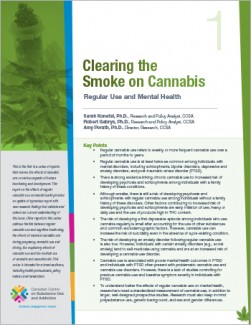
Clearing the Smoke on Cannabis: Regular Use and Mental Health
Cannabis is one of the most widely used psychoactive substances in Canada. The complex relationship between cannabis use and mental disorders has garnered significant attention as a public health issue This is the first in a series of...
Opening Ceremony of the 6th Freemind International Congress
The 6th Freemind International Congress, organized by the Freemind Mobilization and ISSUP Brazil, was held in the city of Águas de Lindóia / SP, Brazil from December 4th to 7th, 2019. The event was held at Hotel Majestic, which has one of...
Psychotic Disorders Hospitalisations Associated with Cannabis Abuse or Dependence
Delta 9‐tetrahydrocannabinol - a psychoactive compound found in cannabis - activates parts of the brain responsible for cognition, perception, anxiety, fear, memory and reward. There are continuous debates about the link between cannabis...
Ecstasy and Related Drugs Reporting System (EDRS)
The Ecstasy and Related Drugs Reporting System (EDRS) is an illicit drug monitoring system which has been conducted in all states and territories of Australia since 2003 and forms part of Drug Trends. The EDRS consists of annual interviews...
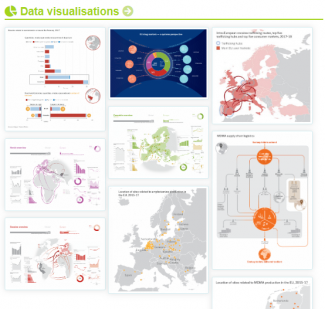
EU Drug Markets Report 2019
The EU Drug Markets Report 2019 is the third comprehensive overview of illicit drug markets in the European Union by the EMCDDA and Europol. The analysis presented in the report examines topics such as the links between drugs and other...
UNODC-WHO Training in Argentina on the Management of Substance Use & Substance Use Disorders during Pregnancy
A total of 35 participants took part in this training that was organized by WHO and UNODC together with PAHO, SEDRONAR, Hospital der Mar, and the generous support from the U.S. State Department Bureau of International Narcotics and Law...
Responding to Global Stimulant Use: Challenges and Opportunities
Stimulants drugs increase the activity of the central nervous system producing feelings of euphoria, increased confidence, sociability, energy, and wakefulness. In a recent paper, published as part of the Lancet series on drug use...