
Psychoactive substances are natural or synthetic substances that act on the central nervous system and alter mental processes such as mood, perception, cognition, consciousness, and behaviour. These substances may be legally prescribed medications (e.g., pain medications or sedatives), legally available substances such as alcohol or caffeine, or controlled or illicit drugs. Psychoactive substances can be used for medical, social, cultural, or recreational purposes, but some carry risks of misuse, dependence, and health or social harms when used in harmful ways.

Psychoactive Substances
A Deeper Look into the Roots of Substance Use Disorders
Addiction is often seen through the lens of poor choices or lack of willpower, but this view oversimplifies what is, in reality, a highly complex mental health condition. Through my academic journey in addiction counseling, I’ve come to...
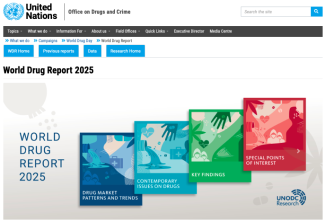
World Drug Report 2025
On July 2nd, 2025, ISSUP had the privilege of hosting a webinar outlining highlights from the 2025 edition of the World Drug Report (WDR), presented by Ms. Giovanna Campello, Chief of the Prevention, Treatment and Rehabilitation Section at...
Mindfulness treatment for substance misuse: A systematic review and meta-analysis.
Highlights •First meta-analysis of mindfulness treatment for substance misuse. •Mindfulness treatment is a positive intervention for substance use disorders. •Mindfulness treatment had a significant small effect on reducing substance misuse...
Anger and substance abuse: a systematic review and meta-analysis.
ABSTRACT Objective: Conduct a systematic review and meta-analysis to evaluate levels of anger among substance users compared to non-user controls and to analyze the possible association between anger and psychoactive substance use (PSU)...
Posttraumatic Stress Disorder Among Opioid Users in Dodoma, Tanzania: A Comparative Cross-Sectional Study Protocol
INTRODUCTION: Post traumatic stress disorder (PTSD) is highly commorbid among individuals with opioid use disorder (OUD). PTSD among people with OUD is associated with severe opioid use, depression, and suicidality. Tanzania has seen a rise...
Criminal reactions to drug-using offenders: A systematic review of the effect of treatment and/or punishment on reduction of drug use and/or criminal recidivism
The association between substance use and crime is very common, but complex. Several countries have found strategies to face drug abuse and criminality that may exist associated to it, seeking to reduce overcrowded prisons and to promote...
Addictions in Potential Sperm Donors: What is Possible to Control?
INTRODUCTION: Third-party sperm donation represents the sole viable option for conception for a considerable number of infertile couples. The donation process is predicated on ensuring the high quality and safety of the donated cells. While...
Webinar reflection: Exploring Multiple Pathways of Recovery
ISSUP, in collaboration with Faces & Voices of Recovery, has launched a new Global Recovery Network webinar series to spotlight diverse perspectives on recovery. The first webinar featured Dr. Haner Hernández, a respected expert in the...
Global status report on alcohol and health and treatment of substance use disorders
The WHO Global Status Report on Alcohol and Health and Treatment of Substance Use Disorders provides a comprehensive snapshot of global trends in alcohol consumption, related harms, and national policy responses, alongside the availability...