
Psychoactive Substances

Psychoactive substances are natural or synthetic substances that act on the central nervous system and alter mental processes such as mood, perception, cognition, consciousness, and behaviour. These substances may be legally prescribed medications (e.g., pain medications or sedatives), legally available substances such as alcohol or caffeine, or controlled or illicit drugs. Psychoactive substances can be used for medical, social, cultural, or recreational purposes, but some carry risks of misuse, dependence, and health or social harms when used in harmful ways. 
8th Global Alcohol Policy Conference

Event Date
 - 
Rio de Janeiro
Brazil
Attendance
person

GAPC is the leading forum for the world’s alcohol policy makers, advocates, researchers, civil society activists and practitioners.

Building on the increasing interest for and recent alcohol policy developments in the country and the Latin American region, Brazil is the perfect host for GAPC 2026.

Conference theme

2025 Canadian Conference on Tobacco and Nicotine (CCTN25)

Event Date
 - 
Online
- Global -
Attendance
online

The 2025 Canadian Conference on Tobacco and Nicotine (CCTN25) is Canada’s leading interdisciplinary knowledge exchange event focused on reducing the harms associated with commercial tobacco and nicotine use. Taking place virtually, CCTN25 will convene public health professionals, researchers, policymakers, clinicians, educators, and advocates from across the country and beyond.

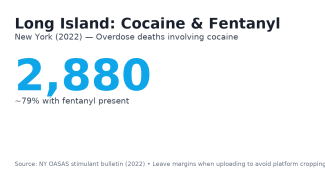
Cocaine & Fentanyl on Long Island

Leaflet, Infographic, Fact sheet, Poster
 - 
Cocaine-related harms on Long Island (Nassau & Suffolk) are increasingly polysubstance, with fentanyl present in most fatal cocaine overdoses in New York. Nationally, cocaine-involved mortality has nearly doubled since 2018. This fact sheet compiles verified NY/CDC sources and practical steps for families and providers: carry and train on naloxone, arrange benefits/transport to speed placement, screen for co-occurring mental health, and use evidence-based care (Contingency Management + CBT).

Alarming number of people now vape, says WHO

Website
 - 
More than 100 million people — including at least 15 million children — are now using e-cigarettes, according to the World Health Organisation (WHO). Children are nine times more likely than adults to vape, raising serious concerns about...

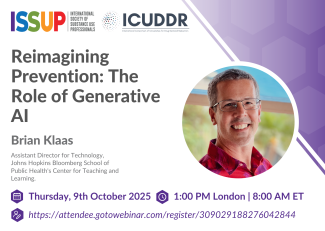
Reimagining Prevention: The Role of Generative AI

Event Date
 - 
Online
- Global -
Attendance
online
ISSUP, in collaboration with ICUDDR, cordially invites you to an upcoming webinar on Reimagining Prevention: The Role of Generative AI
Webinar flyer