
The range of medical, psychological, and social services designed to help individuals reduce or stop substance use and manage substance use disorders. Treatment may include assessment, counselling and behavioural therapies, medication-assisted treatment, withdrawal management, and support for co-occurring mental or physical health conditions. Effective treatment is typically person-centred and evidence-informed, and may be provided in outpatient, community, or residential settings. Treatment aims to improve health and functioning, reduce substance-related harms, and support individuals in moving toward recovery and long-term wellbeing.
Treatment
The Recovery Allies Link and Lend Inventive Engaging Support (ALLIES)
The Recovery Allies Link and Lend Inventive Engaging Support (ALLIES) Model introduced by NDDCB appears to be part of a growing global movement to professionalize and deepen recovery support services. In 2024, 18 members of the National...
Prioritizing Abstinence-Based Prevention, Regulation, and Recovery to Reduce Substance-Related Harm and Promote Mental Health at a Population-Level
Abstract: This commentary argues the need to prioritize regulation and abstinence-based prevention and recovery as critical services in efforts to maximize the reduction of substance-related harm and the promotion of mental health at a...
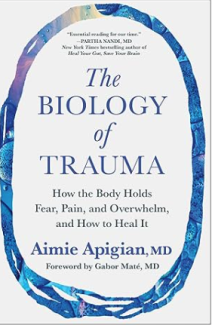
The Biology of Trauma
This groundbreaking book breaks down the latest research to reveal how trauma impacts our bodies on a cellular level and offers an empowering path to whole-body healing. Today, we know more about mental health than ever before, but...
From Evidence to Action: Building Partnerships to Strengthen the Drug Demand Reduction Strategy
Grounded in UNODC research—particularly the World Drug Report on synthetic trends, polydrug use, and treatment gaps—this presentation translates evidence into a partnership blueprint for stronger drug demand reduction (DDR).
Getting to Know Joanna Travis-Roberts Pt.1
Building the Future Together: Joanna Travis-Roberts on 10 Years of ISSUP A special three-part series celebrating 10 years of the International Society of Substance Use Professionals (ISSUP). In this first episode, host Associate Professor...
The Peer Model: the Ethics in Efficacy
Attendance
online
Statistics show that when peer services are delivered with adherence to the peer model and within recovery-oriented systems, they are highly effective for the participants and the systems employing them (SAMHSA).
Transforming Addiction Through Attachment and Emotionally Focused Therapy (EFT)
Attendance
online
This webinar demonstrates how to use in-vivo systemic and attachment-based interventions in session to not only heal the deep wounds that drive addictive processes but simultaneously create a substitute-replacement for self-medicating with substances: secure attachment.
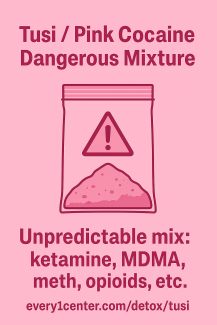
⚠️ Tusi ("Pink Cocaine"): What It Is, Risks and Where to Get Help
Overdose education and naloxone distribution in jails: Examining the impact of the Communities That HEAL intervention in 4 states
Abstract Background Opioid-related overdose is the leading cause of mortality among individuals recently released from incarceration in the U.S. Naloxone is an FDA-approved opioid antagonist medication designed to rapidly reverse opioid...
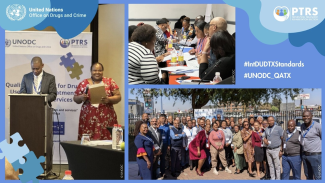
Health And Hope: Reflecting On Progress In Developing The Quality Assurance Mechanism For The Treatment Of Drug Use Disorders In South Africa
UNODC is collaborating with South Africa to enhance the quality and effectiveness of drug use disorder treatment, ensuring services align with the International Standards for the Treatment of Drug Use Disorders. Through training, workshops...