
The range of medical, psychological, and social services designed to help individuals reduce or stop substance use and manage substance use disorders. Treatment may include assessment, counselling and behavioural therapies, medication-assisted treatment, withdrawal management, and support for co-occurring mental or physical health conditions. Effective treatment is typically person-centred and evidence-informed, and may be provided in outpatient, community, or residential settings. Treatment aims to improve health and functioning, reduce substance-related harms, and support individuals in moving toward recovery and long-term wellbeing.
Treatment
Quality Assurance for Drug Use Disorder Treatment
Over 38 million people worldwide are living with drug use disorders, yet only a fraction have access to appropriate treatment. These disorders place a heavy burden on individuals, families and communities, and their wider social costs –...
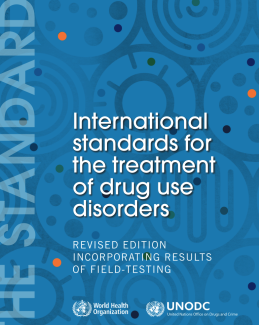
International Standards for the Treatment of Drug Use Disorders
The International Standards for the Treatment of Drug Use Disorders, developed by UNODC and WHO, provide guidance for countries to strengthen evidence-based, ethical and effective treatment systems. They are designed for policymakers...
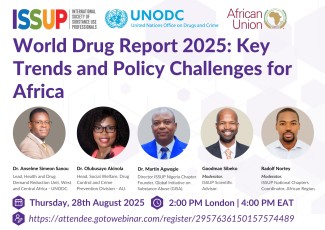
World Drug Report 2025: Webinar on Key Trends and Policy Challenges for Africa
As a follow-up to our previous webinar outlining the Key Findings of the World Drug Report 2025, ISSUP on 28 August 2025 presented a review of the World Drug Report 2025 through an African lens. The webinar was moderated by Radolf Nortey...
Supporting children affected by the substance use of a parent or sibling
Attendance
online
Delivered by a Child and Adolescent Psychotherapist, this two-day course explores the effects of substance use in the family on children, and how to support them. The course covers both direct support for children and young people, and how to support non-substance using parents or other adults to support children appropriately
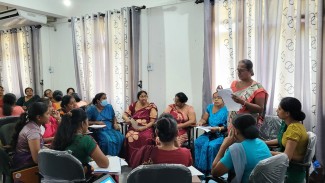
Three-day Teacher TOT, Second Phase in Kurunagala District
Preventive Education and Training Division of National Dangerous Drugs Control Board collaboratively with Ministry of Health, Sri Lanka has conducted a Three-day TOT program for counseling teachers in kurunagala District (Second Phase)...
Three-day Teacher TOT Program, First Phase in Kurunagala District
Preventive Education and Training Division of National Dangerous Drugs Control Board collaboratively with Ministry of Health, Sri Lanka has conducted a Three-day TOT program for counseling teachers in kurunagala District. Substance abuse...
Council of the European Union (1999), Point of Departure and Work Programme of the Horizontal Working Party on Drugs (HDG) for the First Half of 1999 under the German Presidency
In 1999, the EU highlighted the growing threat of drug abuse and trafficking, noting a sharp rise in cocaine, amphetamines, and synthetic drugs like ecstasy. Reports at the time showed that no Member State was spared from these challenges...
Dispatch from the Front: Lessons Learned at the Collision of Public Health, Peer Support, and a Rising Tide of Hope
ISSUP Global, in collaboration with Faces & Voices of Recovery, presents its webinar titled 'Dispatch from the Front: Lessons Learned at the Collision of Public Health, Peer Support, and a Rising Tide of Hope'
Elevating Leadership: A Strength-Based Heart Centered Approach to Leading
ISSUP Global, in collaboration with Faces & Voices of Recovery, presents its webinar titled 'Elevating Leadership: A Strength-Based Heart Centred Approach to Leading'
The Recovery Allies Link and Lend Inventive Engaging Support (ALLIES)
The Recovery Allies Link and Lend Inventive Engaging Support (ALLIES) Model introduced by NDDCB appears to be part of a growing global movement to professionalize and deepen recovery support services. In 2024, 18 members of the National...