
The range of medical, psychological, and social services designed to help individuals reduce or stop substance use and manage substance use disorders. Treatment may include assessment, counselling and behavioural therapies, medication-assisted treatment, withdrawal management, and support for co-occurring mental or physical health conditions. Effective treatment is typically person-centred and evidence-informed, and may be provided in outpatient, community, or residential settings. Treatment aims to improve health and functioning, reduce substance-related harms, and support individuals in moving toward recovery and long-term wellbeing.
Treatment
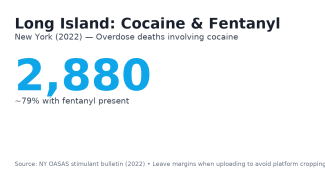
Cocaine & Fentanyl on Long Island
Cocaine-related harms on Long Island (Nassau & Suffolk) are increasingly polysubstance, with fentanyl present in most fatal cocaine overdoses in New York. Nationally, cocaine-involved mortality has nearly doubled since 2018. This fact sheet compiles verified NY/CDC sources and practical steps for families and providers: carry and train on naloxone, arrange benefits/transport to speed placement, screen for co-occurring mental health, and use evidence-based care (Contingency Management + CBT).
Tech-based health and social responses to drug problems
Attendance
online
Objective: This webinar will explore how digital innovations are enhancing health and social support for people who use drugs. Participants will gain insights into how technology can bridge gaps in access, provide timely interventions and support vulnerable populations.
Implementation Science in Higher Education: Identifying Key Determinants in the Selection of Evidence-Based Alcohol and Substance Prevention and Treatment
Attendance
online
Alcohol and substance use remains a concern among emerging adults including university students. Evidence-based prevention and treatment for this population are available but implementation varies. Learn about the barriers and facilitators of these interventions through this webinar.
Time: 8:30AM US EST / 1:30PM UTC
Presenter:
Ashley C. Helle, Ph.D.
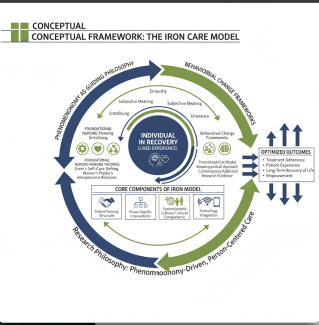
The Integrated Recovery-Oriented Nursing (IRON) Care Model: A Theoretical Framework for Optimizing Addiction Treatment Outcomes
I was honoured to participate in the EHS International Mental Health Conference 2025 as a poster presenter. My presentation reflected the core principles of the Integrated Recovery-Oriented Nursing (IRON) Care Model, emphasizing the...
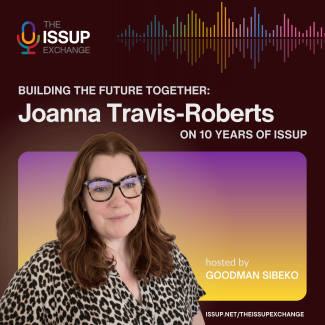
A Decade of Impact, A Future of Possibility: ISSUP at 10 Pt. 3
Building the Future Together: Joanna Travis-Roberts on 10 Years of ISSUP In the final episode of the series, Associate Professor Goodman Sibeko sits down once again with ISSUP Chief Executive Joanna Travis-Roberts to look back on a decade...
Drug Treatment Courts: An Evidence-Based Review with Recommendations for Improvement
This policy brief by the Canadian Centre on Substance Use and Addiction critically evaluates the role and effectiveness of Drug Treatment Courts (DTCs) in Canada. DTCs are intended to divert individuals with substance use disorders (SUDs)...
NIJ’s Courts Research: Examining Alternatives to Incarceration for Veterans and Other Policy Innovation
This article presents key studies from the National Institute of Justice’s (NIJ) Courts Research Portfolio that examine pretrial, prosecution, and sentencing policies promoting alternatives to incarceration, such as Veterans Treatment...
Evaluation of Prevention Programs in Colombia: Evidence, Results, and Lessons for the Prevention of Substance Use in Young People.
ISSUP Colombia presents its webinar on Evaluation of Prevention Programs in Colombia: Evidence, Results, and Lessons for Youth Substance Use Prevention.
Guidance for Police Response to Drug-Related Mental Health Crises
ISSUP Argentina presents its webinar on Guide for Police Response in Mental Health Crises Related to Drug Use.
Reimagining Prevention: The Role of Generative AI
ISSUP, in collaboration with ICUDDR, present a webinar on Reimagining Prevention: The Role of Generative AI.