
The range of medical, psychological, and social services designed to help individuals reduce or stop substance use and manage substance use disorders. Treatment may include assessment, counselling and behavioural therapies, medication-assisted treatment, withdrawal management, and support for co-occurring mental or physical health conditions. Effective treatment is typically person-centred and evidence-informed, and may be provided in outpatient, community, or residential settings. Treatment aims to improve health and functioning, reduce substance-related harms, and support individuals in moving toward recovery and long-term wellbeing.

Treatment
Evaluation of an in-jail and post-release comprehensive treatment model for opioid use disorder in Massachusetts
Abstract Introduction: Incarcerated individuals with opioid use disorder experience high rates of opioid-related mortality upon release. Buprenorphine and methadone are effective at reducing mortality rates in this population, but evidence...
Treating drug abuse and addiction in the criminal justice system: improving public health and safety.
ABSTRACT Despite increasing evidence that addiction is a treatable disease of the brain, most individuals do not receive treatment. Involvement in the criminal justice system often results from illegal drug-seeking behavior and...
Providing substance use disorder treatment in correctional settings: knowledge gaps and proposed research priorities—overview and commentary.
ABSTRACT This manuscript is the product of the authors’ discussions, literature overview, and consultation with experts in the field, and identifies important gaps in the evidence base for substance use disorder (SUD) treatment...
Assessment and Treatment of Substance Use Disorders in Jails. In Handbook of Mental Health Assessment and Treatment in Jails.
Abstract The high rates of substance use in the incarcerated population are well established. However, the effective management and treatment of substance use disorders in jails can be complicated by a number of factors. This chapter first...
Interventions to reduce harms related to drug use among people who experience incarceration: systematic review and meta-analysis
Abstract Background: Mortality, suicide, self-harm, and substance use are elevated among people who are incarcerated. There is a wide range of heterogeneous interventions aimed at reducing these harms in this population. Previous reviews...
Criminal Justice Professionals’ Attitudes Toward Mental Illness and Substance Use
ABSTRACT Despite the high prevalence of behavioral health disorders in justice settings and prior research on the importance of attitudes in successful treatment outcomes for behavioral health populations, few studies have examined criminal...
Evidence-based treatment practices for drug involved adults in the criminal justice system.
Abstract Objective The aim of this study was to estimate the extent and organizational correlates of evidence-based practices (EBPs) in correctional facilities and community-based substance abuse treatment programs that manage drug-involved...
The Power of Storytelling
ISSUP Global, in collaboration with Faces & Voices of Recovery, presents its webinar titled 'The Power of Storytelling'
STRENGTHENING SOBRIETY TO STRENGTHEN ADDICTION PREVENTION.
STRENGTHENING SOBRIETY TO STRENGTHEN ADDICTION PREVENTION. Working with young people over the years—teenagers in high schools, students in colleges, and community youth in different neighborhoods—I have learned something powerful: the...
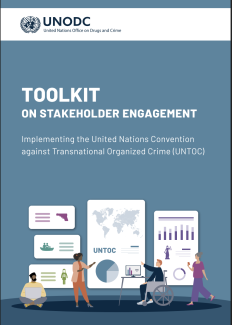
Toolkit on Stakeholder Engagement: Implementing the United Nations Convention against Transnational Organised Crime (UNTOC)
The UNODC has developed a Toolkit designed to strengthen the capacity of civil society, academia, and the private sector to support the implementation of the UN Convention against Transnational Organised Crime (UNTOC) and its Protocols. The...