
The range of medical, psychological, and social services designed to help individuals reduce or stop substance use and manage substance use disorders. Treatment may include assessment, counselling and behavioural therapies, medication-assisted treatment, withdrawal management, and support for co-occurring mental or physical health conditions. Effective treatment is typically person-centred and evidence-informed, and may be provided in outpatient, community, or residential settings. Treatment aims to improve health and functioning, reduce substance-related harms, and support individuals in moving toward recovery and long-term wellbeing.

Treatment
Effectiveness Bank Matrix Cell: Psychosocial Treatment; Individuals, Not Programmes
Every treatment involves direct or indirect human interaction, but this cell is about interventions in which interaction is the main ingredient, from mutual support groups through to professionally delivered psychological programmes....
Family Rejection as a Predictor of Suicide Attempts and Substance Misuse among Transgender and Gender Nonconforming Adults
A study published in the LGBT Health Journal explores family rejection as a predictor for substance misuse in transgender and gender nonconforming adults. Taking data from the National Transgender Discrimination Survey the study involved...
Alcohol Consumption Reduction among a Web-Based Supportive Community Using the Hello Sunday Morning Blog Platform: Observational Study
ABSTRACT Background: Alcohol misuse is a major social and public health issue in Australia, with an estimated cost to the community of Aus $30 billion per annum. Until recently, a major barrier in addressing this significant public health...
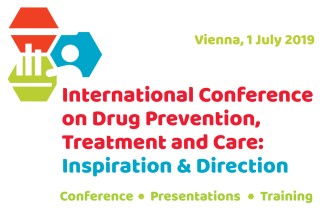
5th ISSUP Workshop- Vienna
Please mark your calendar for the 5th ISSUP Workshop! The Workshop will take place in Vienna, Austria from July 1-5, 2019.
4th ISSUP Workshop, Nairobi 2018
The 4th ISSUP Workshop will take place in Nairobi, Kenya from December 10 – 14, 2018.
This year we are partnering with the National Authority for the Campaign Against Alcohol and Drug Abuse (NACADA) in Kenya and the African Union to provide access to training, information and research to those involved in the substance use prevention and treatment field.
A Double Blind, Placebo Controlled Trial of Modafinil for the Treatment of Cocaine Dependence without Co-Morbid Alcohol Dependence
Like methadone for heroin dependence, modafinil is an oral medication with similar effects to cocaine but milder, slower in onset and longer-acting - properties which might help plug the gap in effective pharmacotherapies for dependence on...
Racial & Ethnic Disparities in Outpatient Treatment Completion
A study exploring the completion of outpatient substance use disorder treatment has highlighted racial and ethnic health disparities. The research team utilised a sample of 416,224 outpatient discharges in the study which found people of...
Tobacco Cessation Interventions and Smoke-Free Policies in Mental Health and Substance Abuse Treatment Facilities
Many persons with mental or substance use disorders who smoke want to and can quit smoking.
Impact of an Online Training Program in Hospital Workers’ Smoking Cessation Interventions in Bolivia, Guatemala and Paraguay
Abstract Objective To examine changes in hospital workers’ interventions before and after online training. Method Pre-post evaluation of the self-reported performance of the 5A's by hospital workers from the three organizations involved. We...
Effectiveness Bank Drug Treatment Matrix Row 3: Doctors and Drugs
Time to consolidate the lessons of the online course on drug treatment's last five instalments, all on medical treatment of drug dependence. Medications most clearly mark an intervention as ‘medical’, but are never all there is to treatment...