
The range of medical, psychological, and social services designed to help individuals reduce or stop substance use and manage substance use disorders. Treatment may include assessment, counselling and behavioural therapies, medication-assisted treatment, withdrawal management, and support for co-occurring mental or physical health conditions. Effective treatment is typically person-centred and evidence-informed, and may be provided in outpatient, community, or residential settings. Treatment aims to improve health and functioning, reduce substance-related harms, and support individuals in moving toward recovery and long-term wellbeing.
Treatment
Webinar: Treatment and Prevention of Opioid Use Disorder: Overview
A webinar on opioid use disorder by Dr. Dennis McCarty is now available through the Addiction Technology Transfer Centre (ATTC) website. The hour long webinar took place in April 2018 and discusses treatment and prevention. The webinar...
Transferring Patients from Methadone to Buprenorphine: The Feasibility and Evaluation of Practice Guidelines
ABSTRACT Introduction and Aims: Transfer from methadone to buprenorphine is problematic for many opioid-dependent patients, with limited documented evidence or practical clinical guidance, particularly for the range of methadonedoses...
Cost of Provision of Opioid Substitution Therapy Provision in Tijuana, Mexico
Abstract Background Mexico recently enacted drug policy reform to decriminalize possession of small amounts of illicit drugs and mandated that police refer identified substance users to drug treatment. However, the economic implications of...
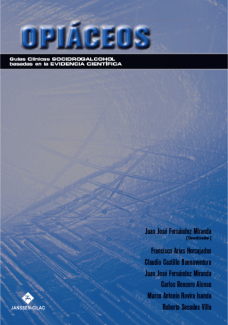
OPIÁCEOS: Guías Clínicas SOCIDROGALCOHOL basadas en la evidencia científica
Este documento forma parte de las Guías Clínicas SOCIDROGALCOHOL, basadas en la evidencia científica. Es de utilidad para los profesionales que atienden a personas con problemas por consumo de heroína y otros opiáceos. La evidencia...
Drug Addiction: Is Brain Stimulation the Answer?
Transcranial magnetic brain stimulation has allowed researchers to reduce how "excited" the brains of chronic cocaine and alcohol users become in response to drug cues. Drug addiction is a chronic disease affecting 5.4 percent of the...
Cannabinoids in Glioblastoma Therapy: New Applications for Old Drugs
Glioblastoma (GBM) is the most malignant brain tumor and one of the deadliest types of solid cancer overall. Despite aggressive therapeutic approaches consisting of maximum safe surgical resection and radio-chemotherapy, more than 95% of...
Factors Related to Simultaneous Cocaine and Alcohol Use for Clients in Treatment
Research shows that alcohol and cocaine are frequently used simultaneously.
Abuse-Deterrent Opioid Formulations
Abstract Abuse-deterrent opioid formulations have been suggested as one way to decrease the abuse, addiction, and overdose of orally prescribed opioids. Ten oral opioid formulations have received abuse-deterrent labeling by the U.S. Food...
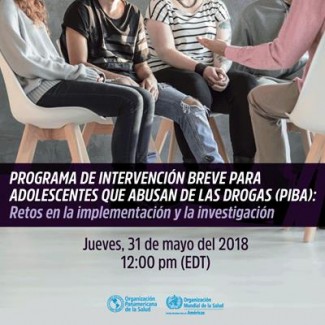
Webinar: Programa de intervención breve para adolescentes que abusan de las drogas (PIBA)
La Organización Panamericana de la Salud (OPS) extiende una cordial invitación para que el jueves 31 de mayo, a las 12:00 pm (hora de Washington, DC) participen en el seminario virtual gratuito "Programa de intervención breve para adolescentes que abusan de las drogas (PIBA): retos en la implementación y la investigación". Se analizará el proceso de desarroll
Genetic Etiology for Alcohol-Induced Cardiac Toxicity
Abstract Background: Alcoholic cardiomyopathy (ACM) is defined by a dilated and impaired left ventricle due to chronic excess alcohol consumption. It is largely unknown which factors determine cardiac toxicity on exposure to alcohol...