
The range of medical, psychological, and social services designed to help individuals reduce or stop substance use and manage substance use disorders. Treatment may include assessment, counselling and behavioural therapies, medication-assisted treatment, withdrawal management, and support for co-occurring mental or physical health conditions. Effective treatment is typically person-centred and evidence-informed, and may be provided in outpatient, community, or residential settings. Treatment aims to improve health and functioning, reduce substance-related harms, and support individuals in moving toward recovery and long-term wellbeing.

Treatment
Overview of European University-Based Study Programmes in the Addictions Field
In 2015, the team from the Department of Addictology (First Faculty of Medicine of Charles University and General University Hospital in Prague) in cooperation with our colleague from the Department of Community Medicine & Health Care...
SAMHSA Tobacco-Free Recovery Grant 2018
The Substance Abuse and Mental Health Services Administration (SAMHSA) National Center of Excellence for Tobacco-Free Recovery Grant is now open for applications. Offering up to 5 million USD the grant can be used for a range of projects...
The health and social effects of the medicinal use of cannabis
Resumen Cannabis is the psychoactive substance under international control used in the world. In 2013, about 181.8 million of people from 15 to 64 years worldwide have used cannabis without medical purpose (estimate of uncertainty of 128.5...
Social and effects to the health of non-medical cannabis use
Overview Cannabis is the substance psychoactive under international control most widely used around the world. It is estimated that, in 2013, 181.8 million people aged 15 to 64 consumed cannabis without medical purposes around the world...
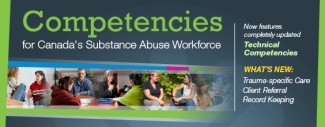
Competencies for Canada’s Substance Abuse Workforce
Workforce competencies are technical and behavioural skills that enhance the performance of addictions professionals, allowing them to better meet the needs of their clients. The Competencies for Canada's Substance Abuse Workforce is a...
Trends and Patterns of Marijuana Use in Men and Women Seeking Drug Treatment
Abstract Introduction: Marijuana is the world’s most widely used illegal drug. In Mexico, it is the drug of choice for both male and female users of all ages, and there has been a recent increase in its use. Objective: To describe drug use...
Challenges in Implementing Opioid agonist Therapy in Lebanon: A Qualitative Study from a User’s Perspective
Abstract Background Opioid agonist therapy (OAT) has been implemented for the treatment of individuals with opioid use disorders in Lebanon since 2011, but has not been evaluated yet. The aim of the study is to describe the implementation...
National report on drugs and activities related 2016
OVERVIEW Treatment of consumption Government institutions: The year 2016 showed a decrease in the number of patients except those included in the range of 19 to 25 years although total attention increased over the previous year given the...
SAMHSA Live Virtual Event: Supporting Students with Serious Mental Illness, Substance Use Disorders
Date: Thursday, April 26, 2018
Time: 2:00 pm - 3:00 pm ET
Approximately 1.8 of the nation's college students meet the medical criteria for substance misuse or dependence. Increasing numbers of students report high levels of anxiety, hopelessness, and other symptoms of mental illness.
Standardized Indicators for National Drug Information Networks in the Caribbean
This guide, developed by and for persons working in member states of the Caribbean, presents a model set of indicators to countries desiring to standardize the way that they organize, collect, and report drug-related information for their...