
The activities of authorised agencies such as police, customs, border services, and investigative bodies to enforce drug control laws and address criminal activities related to the production, trafficking, and distribution of illicit substances. These activities may include investigations, intelligence gathering, interdiction, and collaboration with national and international partners to disrupt organised crime networks. Law enforcement plays an important role in protecting public safety and maintaining the rule of law, and is most effective when coordinated with broader public health, prevention, treatment, and recovery efforts as part of a balanced and comprehensive response to substance use.
Law Enforcement
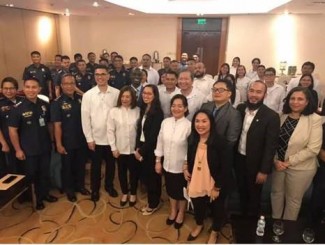
Universal Treatment Curriculum (UTC) Training for the Philippine Criminal Justice System
The UNODC Mentor from Indonesia participated as a trainer at the workshop organized by Colombo Plan on The Universal Treatment Curriculum (UTC) for the Philippine Criminal Justice System. It was inaugurated with the generous support of the...
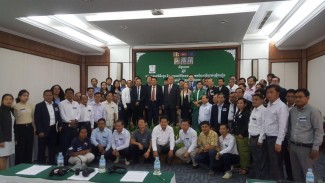
UNODC Training on the Nature, Prevention and Treatment of Drug Use Disorders with more than 60 Cambodian Policymakers
More than 60 policy-makers participated at UNODC Workshop on the Nature, Prevention and Treatment of Drug Use Disorders for Policy Makers in Siem Reap, Cambodia from 12 to 14 June 2019. This high-level workshop was inaugurated by H.E Prof...
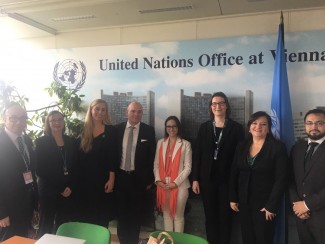
Cooperation between Ecuador and UNODC on Drug Prevention and Health
Following an assessment mission in 2017 and two policy maker training on the nature, prevention and treatment of drug use disorders in 2018, UNODC and the Ministry of Health (on behalf of the Ecuadorian government) signed a Memorandum of...
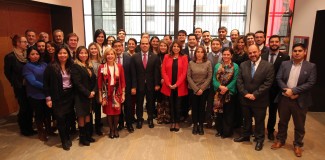
UNODC Training on the Nature, Prevention and Treatment of Drug Use Disorders Organized jointly with SENDA in Chile
30 policy makers attended the training event in Chile which was organized from 28-30 May 2019 in coordination with the National Service for the Prevention and Rehabilitation of Drug and Alcohol Consumption (SENDA) and with the support of...
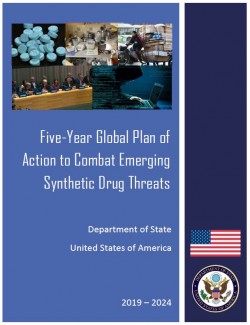
Five-Year Global Plan of Action to Combat Emerging Synthetic Drug Threats
To deter and disrupt production and trafficking of illicit synthetic drugs into the United States, the Department of State has developed a new strategy that will attack this new business model of illicit international drug supply chains at...
Best Practices for Successful Reentry for People Who Have Opioid Addictions
This fact sheet describes the best practices that community-based behavioural health, and probation and parole agencies can implement to ensure that reentry for people who have opioid addictions is safe and successful.
A Conceptual Model for Understanding Post-Release Opioid-Related Overdose Risk
Abstract Post-release opioid-related overdose mortality is the leading cause of death among people released from jails or prisons (PRJP). Informed by the proximate determinants framework, this paper presents the Post-Release Opioid-Related...
South East Asian Fellowship Program on Drug Policy 2019
South East Asian Fellowship Program on Drug Policy 2019 APPLICATIONS ARE NOW OPEN DEADLINE FOR SUBMISSIONS: Friday 26 April 2019 Eligible Countries: Myanmar, the Philippines, Malaysia, Indonesia, Thailand, Cambodia, and Laos ABOUT THE...
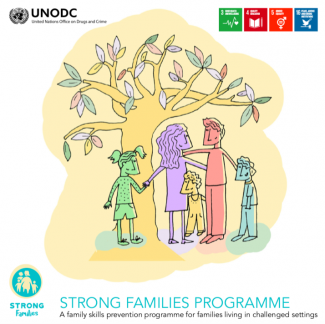
Strong Families Programme
The Strong Families Programme is a family skills prevention programme.
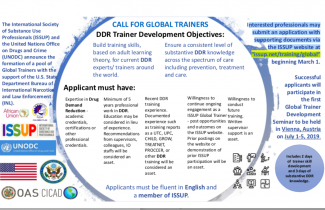
Call for Global Trainers
ISSUP and UNODC announce the formation of a pool of Global Trainers with the support of the U.S. State Department Bureau of International Narcotics and Law Enforcement Affairs (INL).