
The activities of authorised agencies such as police, customs, border services, and investigative bodies to enforce drug control laws and address criminal activities related to the production, trafficking, and distribution of illicit substances. These activities may include investigations, intelligence gathering, interdiction, and collaboration with national and international partners to disrupt organised crime networks. Law enforcement plays an important role in protecting public safety and maintaining the rule of law, and is most effective when coordinated with broader public health, prevention, treatment, and recovery efforts as part of a balanced and comprehensive response to substance use.
Law Enforcement
Beyond the patient: treatment’s impacts on family and community. Effectiveness Bank Alcohol Treatment Matrix cell A5
BEYOND THE PATIENT: TREATMENT’S IMPACTS ON FAMILY AND COMMUNITY The final row of the Alcohol Treatment Matrix defocuses from the patient to ask what treatment can do for the rest of us, starting with this cell on the impacts of the...
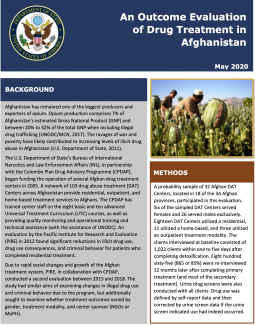
An Outcome Evaluation of Drug Treatment in Afghanistan
The results of the Afghanistan drug abuse treatment evaluation show positive change in illegal drug use and criminal behaviour.
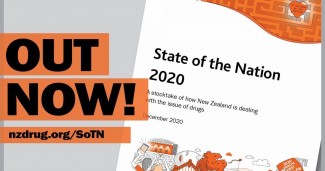
State of the Nation
The third edition of NZ Drug Foundation annual report on how New Zealand is dealing with alcohol and other drugs was published in December 2020. The aim of State of the Nation is to provide a backdrop against which we can assess the impact...
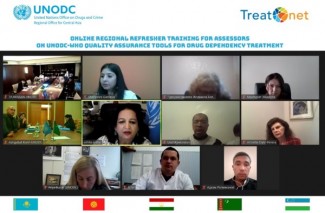
National trainer teams from Central Asia level up in the Universal Treatment Curriculum for Substance Use Disorders with support from UNODC
Online regional training for trainers (ToT) on Course 10 “Managing Medication-Assisted Treatment Programs” (30 November – 3 December 2020) of the Advanced Level of the Universal Treatment Curriculum for Substance Use Disorders (UTC training...
UNODC helps to protect the frontline staff of drug treatment and HIV prevention facilities in Uzbekistan during COVID-19
As COVID-19 becomes a “new norm” and the number of positive cases is not as high as it used to be, we still need to stay alert especially when it comes to those who are the most vulnerable to the possible negative consequences. The...
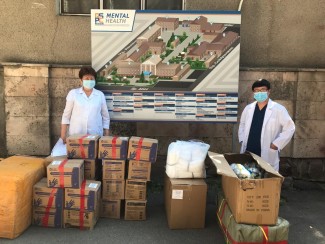
UNODC helps mental health workers of Kazakhstan to stay safe during COVID – 19 pandemic
Pandemics and health emergencies like the current COVID-10 outbreak, can cost many lives and pose additional risks to the global economy and overall security and stability. Ensuring continued access to health care during a pandemic...
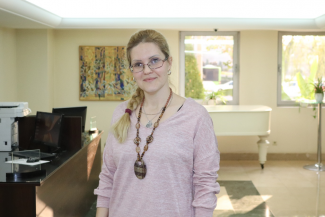
At the forefront of a pandemic: COVID-19 through the eyes of psychotherapist at a drug treatment facility
The COVID-19 pandemic and the restrictions associated with it have changed people’s lives in almost all countries. However, very few realize how the lives of people with drug use disorders – who are among the most vulnerable and in need of...
UNODC Continues to Support Capacity Building of National Trainer Teams Within the Advanced Level of the Universal Treatment Curriculum for Substance Use Disorders
A Regional three-day training for trainers (ToT) on Course 9 “Advanced Pharmacology and Substance Use Disorders” of the Advanced Level of the Universal Treatment Curriculum for Substance Use Disorders (UTC training package) was launched via...
New Online Trainings for Professionals Working in the Field of Substance Use Disorders
In this video, Charlotte Sisson, Senior Foreign Affairs Officer within the Office of Global Programmes and Policy in the Bureau for International Narcotics and Law Enforcement Affairs at the U.S. Department of State, introduces the audience...
Training of Trainers on UPC Course 2, Physiology and Pharmacology for Prevention Specialists
A 4 days virtual training on Universal Prevention Curriculum Course 2, “Physiology and Pharmacology for Prevention Specialists” from 02 to 05 November 2020 kicked off today by UNODC to add into pool of national master trainers on substance...