
The range of medical, psychological, and social services designed to help individuals reduce or stop substance use and manage substance use disorders. Treatment may include assessment, counselling and behavioural therapies, medication-assisted treatment, withdrawal management, and support for co-occurring mental or physical health conditions. Effective treatment is typically person-centred and evidence-informed, and may be provided in outpatient, community, or residential settings. Treatment aims to improve health and functioning, reduce substance-related harms, and support individuals in moving toward recovery and long-term wellbeing.
Treatment
Children, mothers with SUDs and protection systems
ISSUP Argentina presents its webinar on Childhood, mothers with SUDs and protection systems.
Navigating stigma: a qualitative study of barriers to opioid treatment engagement in Tanzania
Background Stigma related to drug use is a well-documented barrier to engaging and remaining on medication for opioid use disorder (MOUD), yet little is known about how stigma operates across multiple social and institutional settings in...
Adherence to mHealth quit smoking application ‘stopcoach’ on top of evidence based smoking cessation counselling: association with participant characteristics and long-term abstinence
Background Smoking is more common in lower socioeconomic position (SEP) groups, but smoking cessation interventions are less effective for these groups. StopCoach, an mHealth intervention, supports people with lower SEP in quitting smoking...
Initial stakeholder perceptions around opioid settlement funds in Pennsylvania
Background The opioid epidemic continues to pose significant challenges in the United States, with over 75% of nearly 107,000 drug overdose deaths in 2022 involving opioids. Recently, efforts to curb the epidemic have made strides...
Integrating Community-Based Interventions for Sustainable Addiction Recovery: A Case Study of Social Challenges and Rehabilitation Efforts in Sungai Asap, Belaga, Sarawak, Malaysia
Addiction remains a critical global challenge, requiring innovative, integrated, and sustainable approaches for effective rehabilitation and social reintegration. The growing prevalence of substance abuse, particularly in marginalized...
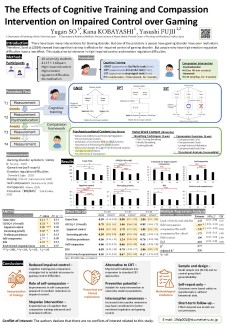
The Effects of Cognitive Training and Compassion Intervention on Impaired Control over Gaming
Background and Objectives: Cognitive behavioral therapy (CBT) is the first-line treatment for gaming disorder (GD), as it addresses background factors. However, certain limitations exist. Cognitive training has been explored as an...
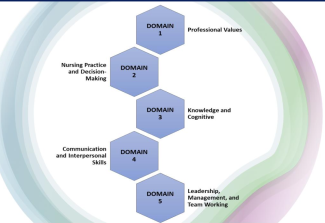
Development, Implementation, and Validation of a Psychiatric Mental Health Nursing Competency Framework in the United Arab Emirates
Muneer, Ahmad; Hossany, Ashick¹; Marden, Michelle¹; Arnold, Jane¹; Walker, Helen¹; Moriarty, Jenny¹; Shitta, Anu¹; Meehan, Jennifer¹; Neil, Claire²; Forbes, David¹ ¹ Maudsley Health, Al Amal Hospital, Abu Dhabi, UAE ² Independent Consultant...
Cognitive Behavioural-Spiritual Counselling Model (CBT-Spiritual) in Resiliency Enhancement for People with Substance Abuse Disorder
Drug abuse is increasingly concerning, requiring a rehabilitative approach through effective counselling by the Indonesian Government by strengthening drug prevention and eradication, because drug abuse in Indonesia is increasingly...
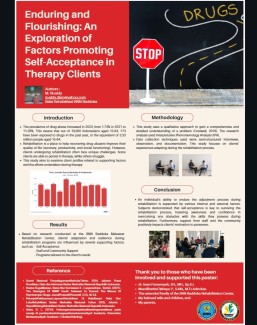
Enduring and Flourishing: An Exploration of Factors Promoting Self-Acceptance in Therapy Clients
Substance abuse in Indonesia is on the rise each year. Rehabilitation centers play a crucial role in helping individuals recover from addiction and improve their quality of life (recovery, productivity, and social functioning). However...
From Data to Action: Strengthening Child Rehabilitation through the SERASI, BERJAYA, and SINARI Sekolah Programs
Adolescent drug abuse in Indonesia is rising, with prevalence among ages 15-24 increasing from .96% IN 2021 to 1.97% in 2023. About 181 per 10,000 adolescents as of February 2025. BNN recorded 3.3 million drug users, including 312,000...