
The range of medical, psychological, and social services designed to help individuals reduce or stop substance use and manage substance use disorders. Treatment may include assessment, counselling and behavioural therapies, medication-assisted treatment, withdrawal management, and support for co-occurring mental or physical health conditions. Effective treatment is typically person-centred and evidence-informed, and may be provided in outpatient, community, or residential settings. Treatment aims to improve health and functioning, reduce substance-related harms, and support individuals in moving toward recovery and long-term wellbeing.

Treatment
Care without conditions — housing-first and employment-first approaches
Attendance
online
Background: Across Europe, people who use drugs face persistent barriers to housing, decent work, healthcare and safety. All too often, ‘reintegration’ tends to be tied largely to abstinence, at the risk of excluding those who are not ready, or do not wish, to stop using psychoactive substances.
Day 2, 11:00 - 12:00, Plenary 8: Quality Assurance for Drug Treatment Services
Panel Presented at Indonesia 2025 on the 18th of September 2025 Moderator: Kristiana Siste Presentations: Narendra Narotama: Quality Matters: Transforming the Future of Drug Use Disorder Treatment Annete Dale-Perera: Supporting managers of...
Day 1, 16:00 - 17:30, Plenary 4: Reducing Drug Related Crimes in the Community
Panel Presented at Indonesia 2025 on the 17th of September 2025 Moderator: Imelda Indriyani Presentations: Mirza Hapsari Massarapa: Reducing Drug-Related Crime: A Comprehensive Approach from the Indonesian Directorate General of Corrections...
Day 1, 14:00 - 15:30, Plenary 3: Establishing Global-Regional Collaboration in Prevention, Treatment and Recovery Programs
Panel Presented at Indonesia 2025 on the 17th of September 2025 Moderator: Goodman Sibeko Presentations: Ma Veronica Felipe: International Consortium of Universities for Drug Demand Reduction Joanna Travis-Roberts: Global Opportunities for...
Mental Health Policy in the Management of Drug Abuse Disorders
The issue of drug (NAPZA) abuse at the global, regional, and national levels remains a serious public health issue, with widespread impacts on social, economic, and security domains. Based on the 2023 National Survey on Drug Abuse conducted by BNN, BRIN, and BPS, the prevalence rate of drug abuse in Indonesia among individuals aged 15–64 years was1.73%, equivalent to approximately 3.33 million people. Furthermore, the prevalence rate of drug use was 2.20%, or approximately 4.24 million people.
Day 1, 10:30 - 12:00, Plenary 1: A Landscape of Addiction Problem – Comprehensive Approach and Treatment
Panel Presented at Indonesia 2025 on the 17th of September 2025 Moderator: Vivi Syarif Presentations: Erik Van der Veen: From Evidence to Action: Building Partnerships to Strengthen the Drug Demand Reduction Strategy Bina Ampera Bukit...
The 2025 Global Adderall Shortage: Clinical Impact, Public Health Risks, and Implications for Substance Use Professionals
The 2025 Global Adderall Shortage: Clinical Impact, Public Health Risks, and Implications for Substance Use Professionals Author: Benjamin Zohar, NCACIP – Nationally Certified Advanced Addiction Intervention Professional, Founder of...
The Digital Drug
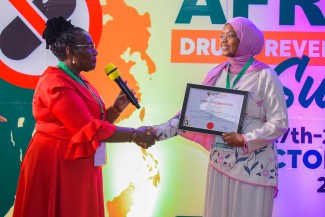
I recently had the privilege of presenting at the Afri-Asia Drug Prevention & Treatment Summit 2025 in Nairobi, Kenya. The paper, titled “"Screen Addiction vs Substance Addiction: A Neuroscience and Behavioral Science Analysis.,” explored...
Fentanyl in Cocaine: What New York Families Need to Know Right Now
I’m seeing a rise in fentanyl-contaminated cocaine across New York City, Long Island, and the Hudson Valley. I share real cases, warning signs, and harm-reduction strategies families can use—including free 22-panel tests—to prevent fatal overdoses.
Strengthening Leadership in Prevention: Sharing Insights from the Development of an Evidence-Based Workshop
ISSUP Global presents its webinar titled “Strengthening Leadership in Prevention: Sharing Insights from the Development of an Evidence-Based Workshop.”