
The range of medical, psychological, and social services designed to help individuals reduce or stop substance use and manage substance use disorders. Treatment may include assessment, counselling and behavioural therapies, medication-assisted treatment, withdrawal management, and support for co-occurring mental or physical health conditions. Effective treatment is typically person-centred and evidence-informed, and may be provided in outpatient, community, or residential settings. Treatment aims to improve health and functioning, reduce substance-related harms, and support individuals in moving toward recovery and long-term wellbeing.
Treatment
Webinar: "Motivational Interviewing for Clinical Practice"
May 9, 2017 @ 12:00 pm - 1:00 pm ET
Presenters
Petros Levounis, MD, MA | Rutgers New Jersey School of Medicine
Carla Marienfeld, MD | University of California – San Diego
Bachaar Arnaout, MD | Yale School of Medicine
Now Available: European Facility Survey Questionnaire (EFSQ) Package
The European Facility Survey Questionnaire (EFSQ) can be used for data collection in any country by those looking to investigate facilities that provide interventions for drug users. Its aim is to collect information on facilities in...
Aggression Linked to Substance Use
New Research published in the Journal of Clinical Psychiatry has found that people with intermittent explosive disorder (IED) – a condition with a significant genetic component characterised by regular outbursts of aggression, whether...
So What’s the Knowledge Share All About?
ISSUP promotes effective and evidence-based practice through the exchange of knowledge on its website.
Effectiveness Bank Alcohol Treatment Matrix Row 4: The Talking Route to Recovery
The Talking Route to Recovery Time to consolidate the lessons of last five instalments of the online course on alcohol treatment research. Every treatment involves direct or indirect human interaction, but this row is about therapies in...
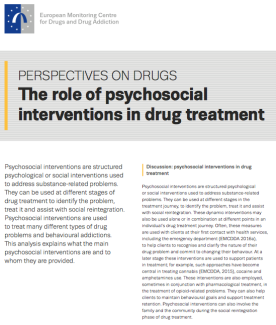
What Is There to Know About Psychosocial Interventions in Drug Treatment?
Psychosocial interventions are psychological or social interventions used to tackle issues related to substance abuse and behavioural addictions. They can be employed to identify and treat problems, as well as to assist with user...
Can We ‘Switch Off’ Our Need to Drink Alcohol?
New research by scientists at The Scripps Research Institute (TSRI) may lead to the development of personalised treatments for alcohol dependence. The study evaluated how people’s responses in the brain differ to various therapeutic...
Cocaine Elicits Autophagic Cytotoxicity via a Nitric Oxide-GAPDH Signaling Cascade
Abstract Cocaine exerts its behavioral stimulant effects by facilitating synaptic actions of neurotransmitters such as dopamine and serotonin. It is also neurotoxic and broadly cytotoxic, leading to overdose deaths. We demonstrate that the...
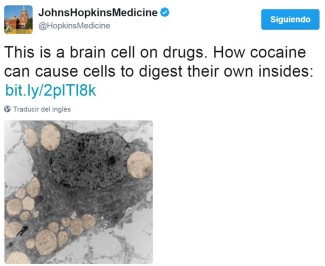
New Evidence in Mice That Cocaine Makes Brain Cells Cannibalize Themselves
Working with mice, researchers at Johns Hopkins have contributed significant new evidence to support the idea that high doses of cocaine kill brain cells by triggering overactive autophagy, a process in which cells literally digest their...
5th International Conference on Novel Psychoactive Substances (NPS)
The 5th International Conference on Novel Psychoactive Substances will be held from 23 to 24 October 2017 at the United Nations in Vienna, Austria. The conference is jointly organised by the United Nations Office on Drugs and Crime (UNODC), the European Monitoring Centre for Drugs and Drug Addiction (EMCDDA), the World Anti-Doping Agency (WADA), University of Hertfordshire and Sapienza University of Rome.