
The range of medical, psychological, and social services designed to help individuals reduce or stop substance use and manage substance use disorders. Treatment may include assessment, counselling and behavioural therapies, medication-assisted treatment, withdrawal management, and support for co-occurring mental or physical health conditions. Effective treatment is typically person-centred and evidence-informed, and may be provided in outpatient, community, or residential settings. Treatment aims to improve health and functioning, reduce substance-related harms, and support individuals in moving toward recovery and long-term wellbeing.
Treatment
Drug Misuse and Dependence: UK Guidelines on Clinical Management
Often called the Orange Book, this is guidance for clinicians treating people with drug problems. This 2017 version offers new guidelines on: prison-based treatment new psychoactive substances and club drugs mental health co-morbidity...
SAMHSA Opioid Overdose Prevention Toolkit
This toolkit offers strategies to health care providers, communities, and local governments for developing practices and policies to help prevent opioid-related overdoses and deaths. Access reports for community members, prescribers...
XVIII Meeting of the CICAD Demand Reduction Expert Group
The meeting will address, among other issues, recommendations for the implementation of specific policies for drug use prevention and treatment, with emphasis on trauma treatment, and selective and indicated prevention in adolescent at risk and social vulrnerability and treatment outcome indicators.
Effectiveness Bank Matrix Bite: Treatment Systems to Reduce Alcohol-Related Crime and Safeguard the Community
Final cell of the Alcohol Treatment Matrix. The theme is set by an Australian review which argues that despite radically different starting points, criminal justice and treatment systems must collaborate to deliver treatment. We invite you...
The 'Explosion’ That Never Happened: Crack and Cocaine Use in Britain
In 1989 a whirlwind of concern was stirred up by a US drug enforcement officer who predicted for Britain a US-style “explosion” of violence associated with the ‘almost instantly addictive’ crack version of cocaine. That did not happen - but...
Organisational Functioning and Alcohol Treatment in the Criminal Justice System
This cell in the Alcohol Treatment Matrix explores the influence of an organisation’s structures and processes on how well it delivers treatment for drinking problems in criminal justice and allied settings. In the context of a market which...
Hepatitis C ‘Giant’ Still Growing
Half of all surveyed UK injectors infected, a quarter within three years of starting to inject - for a time it seemed impossible to reverse the epidemic of hepatitis C infection. Now we know that aided by new treatments which clear the...
Sexual Orientation and Estimates of Adult Substance Use and Mental Health
Abstract Background: Research suggests that sexual minorities (e.g. people who identify as lesbian, gay, or bisexual) are at greater risk for substance use and mental health issues compared with the sexual majority population that...
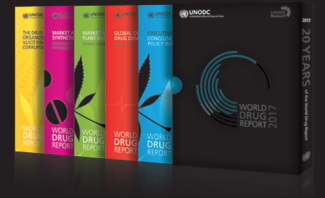
2017 UNODC World Drug Report
Now in its 20th year of publication, the UNODC World Drug Report for 2017 is now available. It consists of 5 accessible booklets: Booklet 1 provides a summary of the subsequent 4 booklets. It also discusses the policy implications of the...
Alcohol Interventions in Primary Care Settings: What Works, What Doesn’t and What's Next?
This week saw the seminar launch at Edinburgh’s Royal College of Physicians of two key reports on alcohol interventions in primary care settings published by the Scottish Health Action on Alcohol Problems (SHAAP) in collaboration with the...