
The range of medical, psychological, and social services designed to help individuals reduce or stop substance use and manage substance use disorders. Treatment may include assessment, counselling and behavioural therapies, medication-assisted treatment, withdrawal management, and support for co-occurring mental or physical health conditions. Effective treatment is typically person-centred and evidence-informed, and may be provided in outpatient, community, or residential settings. Treatment aims to improve health and functioning, reduce substance-related harms, and support individuals in moving toward recovery and long-term wellbeing.

Treatment
Effectiveness of e-cigarettes as aids for smoking cessation: evidence from the PATH Study cohort, 2017–2019
Abstract Objective To assess the effectiveness of e-cigarettes in smoking cessation in the USA from 2017 to 2019, given the 2017 increase in high nicotine e-cigarette sales. Methods In 2017, the PATH Cohort Study included data on 3578...
The Synaptic Interactions of Alcohol and the Endogenous Cannabinoid System
ABSTRACT PURPOSE: A growing body of evidence has implicated the endocannabinoid (eCB) system in the acute, chronic, and withdrawal effects of alcohol/ethanol on synaptic function. These eCB-mediated synaptic effects may contribute to the...
The Impact of Substance Use Disorder in Educational Institutions in Kenya: Possibilities for Mitigation
ISSUP Kenya are pleased to present their next Bi-Monthly Webinar on The Impact of Substance Use Disorder in Educational Institutions in Kenya. This Webinar will discuss: Nature of Substance Use Disorder Epidemiology of SUD with reference to...
Risk of psychosis in illicit amphetamine users: a 10 year retrospective cohort study
The illicit use of amphetamines, the stimulants commonly known as ‘speed’, is linked to a 5-fold heightened risk of psychosis, finds a 10 year study published online in the journal Evidence-Based Mental Health.
Mindfulness-Based Relapse Prevention: why make relapse prevention more mindful?
Traditionally, relapse prevention for addictive disorders has been based on cognitive-behavioural therapy (CBT). The development of mindfulness-based relapse prevention (MBRP) by the University of Washington, which integrates core aspects...
Relevance of research on public drug policy and its impact on national programs
ISSUP Chile presented a webinar on Public Policy Research on Drugs.
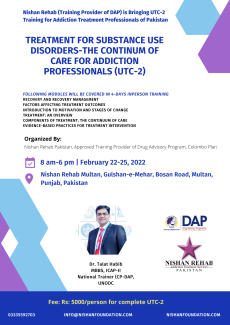
Treatment for substance use disorders: The continuum of care for addiction professionals
The following modules will be covered in the training:
- recovery and recovery management
- factors affecting treatment outcomes
- introduction to motivating and stages of change
- treatment: an overview
- components of treatment: the continuum of care
- evidence-based practices for treatment interventions
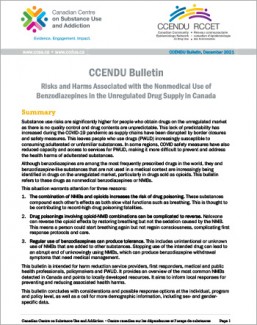
Risks and Harms Associated with the Nonmedical Use of Benzodiazepines in the Unregulated Drug Supply in Canada
Summary Substance use risks are significantly higher for people who obtain drugs on the unregulated market as there is no quality control and drug contents are unpredictable. This lack of predictability has increased during the COVID-19...
Introducing compassion focused therapy
Compassion focused therapy (CFT) is based on the evolutionary, functional analysis of basic social motivational systems (e.g., to exist within groups and care for kin) and emotional systems (e.g., to respond to threats, seek out contentment...
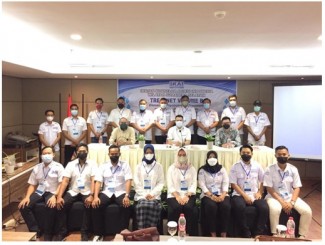
UNODC supports Practitioners in Community-Based Settings
The South Sumatra province has been ranked as the second largest province with people who use drugs, with a prevalence of 5% which approximately corresponds to 326,694 people, and methamphetamine is still the most popular drug of choice in...