
The range of medical, psychological, and social services designed to help individuals reduce or stop substance use and manage substance use disorders. Treatment may include assessment, counselling and behavioural therapies, medication-assisted treatment, withdrawal management, and support for co-occurring mental or physical health conditions. Effective treatment is typically person-centred and evidence-informed, and may be provided in outpatient, community, or residential settings. Treatment aims to improve health and functioning, reduce substance-related harms, and support individuals in moving toward recovery and long-term wellbeing.

Treatment
Habit Reversal Training for Reducing Vaping Behavior among University Students
This study investigates the effectiveness of Habit Reversal Training (HRT) in reducing vaping behavior and improving associated psychological outcomes, such as depression, anxiety, and stress, among university students. Four hypotheses were...
The Psychology of Addiction and Obesity: New Treatments
Addiction and obesity share similar neurological pathways, both linked to compulsive behaviors and the brain's reward system. Research has highlighted the potential of GLP-1 receptor agonists, originally developed for diabetes, to help...
VCU researchers are developing a long-acting medication for opioid addiction
Researchers at Virginia Commonwealth University (VCU) have developed a new version of a medication for opioid use disorder that could offer longer-lasting treatment. Current medications for opioid addiction often require daily doses, but...
Spotlight on Dishon: New Youth Focal Point for ISSUP Kenya
My Reflections as a Youth Leader in Prevention: The Journey so far
Join Us in Strengthening Substance Use Prevention Through Rotary
Rotary International supports various Rotary Action Groups (RAGs), including the Rotary Action Group for Addiction Prevention (RAG AP). However, RAGs cannot directly approach clubs and must rely on District Governors and Service Chairs, a process that has proven ineffective. As a result, many Rotarians engaged in substance use prevention may not even be aware that RAG AP exists.
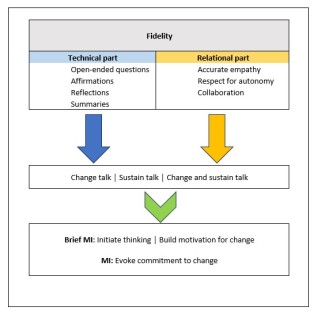
Motivational Interviewing: A Pathway to Partnership in Care
Motivational Interviewing (MI) has long been a personal favourite amongst intervention modalities. Much of the work my teams and I have done in the Addiction Psychiatry Division at the University of Cape Town has been anchored in MI’s core...
Overcoming barriers to traditional care delivery and pharmacy challenges: a qualitative study of buprenorphine, telehealth, and a digital therapeutic for opioid use disorder
Background The opioid epidemic in the U.S. contributes to increased morbidity and mortality from drug overdoses, but barriers to traditional opioid use disorder (OUD) treatment limit access to care. During the COVID-19 pandemic, Public...
Barriers to 12-month treatment of common anxiety, mood, and substance use disorders in the World Mental Health (WMH) surveys
Background There is a high unmet need for mental health treatment worldwide. Understanding the barriers to treatment is essential for developing effective programs to address this issue. Methods Data on treatment barriers were collected...
Alcohol use disorder among people diagnosed with tuberculosis in a large urban case-finding project in central Uganda
Background Heavy alcohol consumption increases the risk of developing tuberculosis (TB), delays diagnosis, and affects treatment adherence. This study aimed to examine the prevalence of alcohol use disorder (AUD) among individuals with TB...
Validation of the alcohol use disorders identification test in a Danish hospital setting
Background Early identification of alcohol problems is important for timely intervention. The Alcohol Use Disorders Identification Test (AUDIT) and its shorter version, AUDIT-C, are widely used screening tools. This study tested the...