
The range of medical, psychological, and social services designed to help individuals reduce or stop substance use and manage substance use disorders. Treatment may include assessment, counselling and behavioural therapies, medication-assisted treatment, withdrawal management, and support for co-occurring mental or physical health conditions. Effective treatment is typically person-centred and evidence-informed, and may be provided in outpatient, community, or residential settings. Treatment aims to improve health and functioning, reduce substance-related harms, and support individuals in moving toward recovery and long-term wellbeing.
Treatment
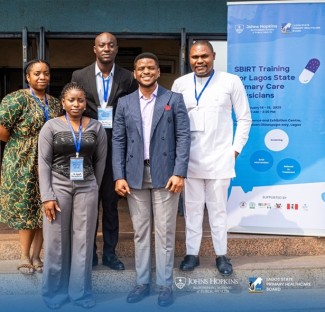
Transforming Primary Care in Lagos: How SBIRT Training is Addressing Nigeria's Substance Use Crisis
Breaking barriers and building capacity in Africa's most populous city.
Integrating Addiction Medicine with Treatment Courts
Attendance
online
This 4-hour course is designed for medical providers practicing addiction medicine who interact with treatment courts and the justice system. Clinicians will explore the complexities of treating justice-involved individuals and apply practical strategies through case-based learning to enhance collaboration, advocate for evidence-based care, and improve coordination with community resources.
Online Training: Using CBT to support families affected by addiction
Attendance
online
This one day training looks at using cognitive behavioural therapy (CBT) skills to support families affected by addiction. The course covers all the essential skills that can help families to change their unhelpful thoughts, feelings and behaviours in response to a loved one’s addiction.
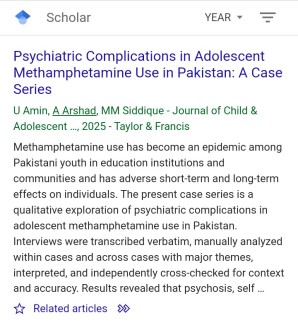
Article titled "Psychiatric complications in adolescent methamphetamine use in Pakistan: A case series" is scientific article highlighting the need of our to raise awareness about the ripple effects of methamphetamine in youth
Methamphetamine use has become an epidemic among Pakistani youth in education institutions and communities and has adverse short-term and long-term effects on individuals. The present case series is a qualitative exploration of psychiatric...
Guiding Principles of Recovery
ISSUP Global, in collaboration with Faces & Voices of Recovery, presents its webinar titled Guiding Principles of Recovery.
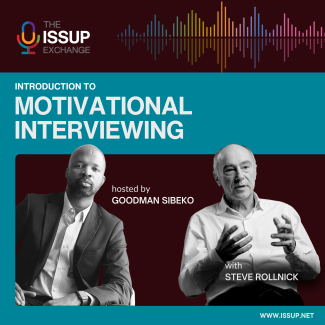
MI in Action: Turning Conversations into Change Pt. 2
What does it really mean to “step back” in a helping conversation? And how can practitioners cultivate genuine curiosity and empathy while still focusing on change? In this second episode of our four-part ISSUP Exchange series, Dr. Goodman...
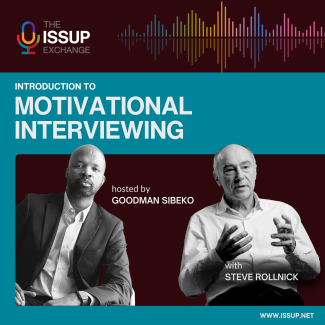
The Spark Behind MI: Stephen Rollnick on the Origins of Motivational Interviewing Pt. 1
If you've ever wondered how Motivational Interviewing (MI) came to be and why it remains essential across so many fields today, join Dr Goodman Sibeko in a compelling four-part conversation with Professor Stephen Rollnick, clinical...
Psychologists are innovating to tackle substance use by building new alliances in treatment efforts
Recent data from the U.S. highlights a concerning rise in substance use and related harms. In 2022, over 109,000 drug overdose deaths were recorded—a 54% increase since 2019. The majority involved illicit fentanyl, often mixed with...
Highlights from the 2025 UNODC World Drug Report
ISSUP in collaboration with UNODC present a webinar highlighting key findings from the 2025 edition of the UNODC World Drug Report. The session is presented by Giovanna Campello, Chief of the Prevention, Treatment and Rehabilitation Section at the United Nations Office on Drugs and Crime (UNODC).