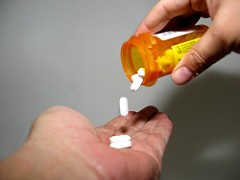

The range of medical, psychological, and social services designed to help individuals reduce or stop substance use and manage substance use disorders. Treatment may include assessment, counselling and behavioural therapies, medication-assisted treatment, withdrawal management, and support for co-occurring mental or physical health conditions. Effective treatment is typically person-centred and evidence-informed, and may be provided in outpatient, community, or residential settings. Treatment aims to improve health and functioning, reduce substance-related harms, and support individuals in moving toward recovery and long-term wellbeing.

Treatment
Unmet Treatment Needs for People with Mental Health and Substance Use Disorders
In the US, less than 10% of adults with co-occurring mental health problems and substance use disorders get treatment for both. 50% do not receive treatment for either. This highlights the vast discrepancy between the prevalence of co...
Mental Health Training for Primary Health Care Workers and Implication for Success of Integration of Mental Health into Primary Care
Abstract Background Mental disorders remain a neglected public health problem in low and middle-income countries (LMICs), most people with mental disorders never receive effective care and there is a large treatment gap. In order to solve...
1st ISSUP Philippines National Conference
LEARN. NETWORK. GET CREDENTIALED.
Be part of the first ISSUP Philippines National Conference of Substance Use Prevention and Treatment Professionals.
ISSUP Philippines National Chapter welcomes anyone who wants to learn and network with other professionals in the field and eventually become a certified addiction professional.
The Burden of Primary Liver Cancer and Underlying Etiologies from 1990 to 2015
Abstract Importance: Liver cancer is among the leading causes of cancer deaths globally. The most common causes for liver cancer include hepatitis B virus (HBV) and hepatitis C virus (HCV) infection and alcohol use. Objective: To report...
‘My GP says I drink too much’: Screening and Brief Intervention
In the absence of greater obstacles to availability, widespread screening to identify and then briefly advise risky drinkers has been the great hope for improved alcohol-related public health. This major hot topic update guides you through...
World Mental Health Day 2017
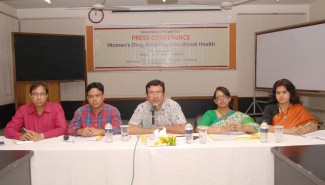
Dhaka: World Mental Health Day Speakers at a press conference at Dhaka Ahsania Mission (DAM) called for taking comprehensive steps for preventing the use of drugs among women, saying that drug addiction affects women's mental health as well...
Financial Incentives to Discontinue Long-Term Benzodiazepine Use
Abstract Objectives: Investigate the acceptability of financial incentives for initiating a medically supervised benzodiazepine discontinuation programme among people with long-term benzodiazepine use and to identify programme features that...
8 Steps Towards Minimising the US Opioid Crisis
Current levels of opioid addiction in the US are so alarming that in July 2017 the President’s Commission on Combating Drug Addiction and the Opioid Crisis urgently suggested that President Trump declare a national emergency to free up...
Drug and Alcohol Treatment Statistics
Executive Summary Data collected in drug treatment agencies play a prominent role in informing policy makers. Such data often represent the only information collected regularly and consistently over a certain period of time. What is even...
Effectiveness Bank Drug Treatment Matrix Cell C1: Life and Death Decisions for Drug Harm Reduction Management
Explores how harm reduction impacts are affected by the management of the service and of the intervention. Highlights the studies which showed that treatment-termination and needle-exchange policies can mean life or death for service users...