
Treatment

The range of medical, psychological, and social services designed to help individuals reduce or stop substance use and manage substance use disorders. Treatment may include assessment, counselling and behavioural therapies, medication-assisted treatment, withdrawal management, and support for co-occurring mental or physical health conditions. Effective treatment is typically person-centred and evidence-informed, and may be provided in outpatient, community, or residential settings. Treatment aims to improve health and functioning, reduce substance-related harms, and support individuals in moving toward recovery and long-term wellbeing. 
Could LSD Have a Role in New Therapeutic Treatments?

Scientific article
 - 
New research published in the journal Translational Psychiatry has found that LSD reduces activity in the region of the brain responsible for negative emotions such as fear. The researchers call this the drug’s ‘de-frightening effect’ and...

Organisational Influences on Psychosocial Therapies

Book
 - 
Latest instalment of online course on alcohol treatment research. See if you agree with influential US researchers that “organizational climate underlies the entire process of innovation adoption”, appreciate the effect of high staff...

Drugs on the Brain: Substance Use and Neurotransmission

Book
 - 
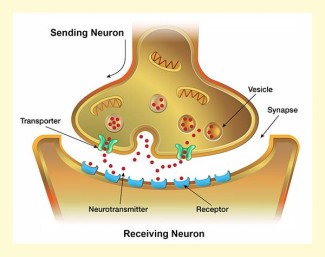
The National Institute on Drug Abuse (NIDA) has published an extended overview detailing the impact of certain drugs on brain functioning, as well as the most common experimental methods used in related research. Neuroscientists primarily...

Immigration, Trauma and Substance Use

Event Date
 - 
Houston
United States

This two-day symposium will provide participants with knowledge and skills to engage with and treat Hispanic and Latino clients whose presenting problems are at the intersection of substance use, mental health, and immigration, from initial assessment to recovery support.

Co-Occurring Disorders for Adolescents

Event Date
 - 
Spokane
United States

Participants will be introduced to terminology, assessment and treatment strategies and models related to co-occurring treatment. The training will provide foundational knowledge on evidence-based practices in the field of behavioral health including differential diagnosis of individuals that have a substance use and mental health co-morbidity.