
The range of medical, psychological, and social services designed to help individuals reduce or stop substance use and manage substance use disorders. Treatment may include assessment, counselling and behavioural therapies, medication-assisted treatment, withdrawal management, and support for co-occurring mental or physical health conditions. Effective treatment is typically person-centred and evidence-informed, and may be provided in outpatient, community, or residential settings. Treatment aims to improve health and functioning, reduce substance-related harms, and support individuals in moving toward recovery and long-term wellbeing.
Treatment
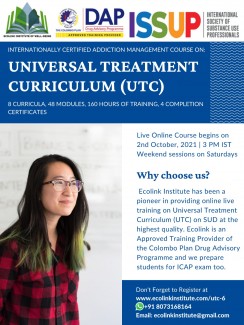
UTC Training, Curriculum 1-8
The Ecolink Institute, Mangalore, India is starting its 6th international batch on Universal Treatment Curriculum on Substance Use Disorder from 02 October 2021. This is a weekend course and classes are held only on Saturdays from 3 PM (Indian Standard Time). The participants will be also prepared and facilitated to take the online examination by the Global Center for Credentialing and Examination (GCCC) through NAADAC, United States.
Ecolink Institute opens Alumni Association of UTC students
Ecolink Institute opens Alumni Association of UTC students The students of the Universal Treatment Curriculum on Substance Use Disorder under the Ecolink Institute have opened an International Alumni Association to strengthen and promote...
Ecolink Institute successfully completes its 3rd Batch on UTC training
Ecolink Institute successfully completes its 3rd Batch on UTC training Mangalore: Ecolink Institute of Well-being, an India based training Institute who pioneered online live training of the Universal Treatment Curriculum successfully...
Evidence-Based Approaches to Opioid Overdose Recognition and Management: Share the Facts – Save Lives
To mark International Overdose Awareness Day on 31st of August 2021, the International Society of Substance Use Professionals (ISSUP), in collaboration with the United Nations Office on Drugs and Crime (UNODC) and the World Health Organization, presented an online event profiling naloxone programmes as a pathway for improving outcomes in the treatment of opioid dependence, overdose reduction, and saving lives.
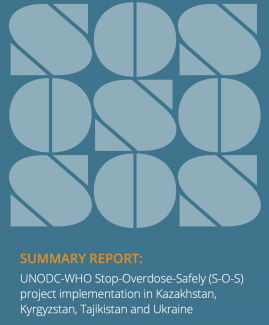
WHO-UNODC “Stop Overdose Safely (S-O-S)” initiative
Overdose is the leading cause of avoidable death among people who inject drugs. The ‘Stop Overdose Safely’ is a joint initiative from UNODC and the World Health Organization (WHO) to address opioid overdose and provide life-saving...
Recognising the human need for community in addiction treatment
Over the past two years, in an attempt to reduce the spread of coronavirus, countries around the world have imposed a range of restrictions and social distancing measures. For social scientists and practitioners, this has led to discussion...
The link between reducing pain medication, overdose and mental health crisis
In response to the concerning numbers of opioid-related deaths in the US, there has been a recent focus on opioid prescribing trends, which has shown an increase in opioid tapering among patients prescribed long-term opioid therapy. However...
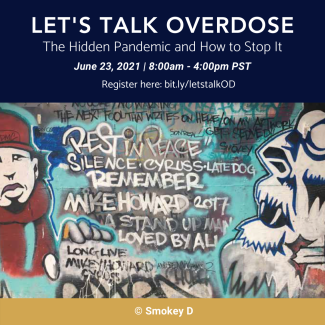
Let’s Talk Overdose: The Hidden Pandemic and How to Stop It
In June 2021, the University of British Colombia Addictions and Concurrent Disorders Research Group hosted an online conference entitled Let’s Talk Overdose: The Hidden Pandemic and How to Stop It. Here, you can find the conference...
Baseline executive functions and receiving cognitive rehabilitation can predict treatment response in people with opioid use disorder
Abstract Background Impaired cognitive functions, particularly executive function, predict poor treatment success in people with substance use disorders. The current study investigated the effect of receiving adjunct cognitive...
Seminar Adapting the Icelandic Model for the Prevention of Drug Use: progress three years after its implementation
This seminar, aimed at technicians and professionals working in the field of substance use, seeks to share the results and experience of adaptation and implementation of the Icelandic model of prevention in 6 Chilean communes, in addition to addressing the challenges of considering this model as a public policy.