
The range of medical, psychological, and social services designed to help individuals reduce or stop substance use and manage substance use disorders. Treatment may include assessment, counselling and behavioural therapies, medication-assisted treatment, withdrawal management, and support for co-occurring mental or physical health conditions. Effective treatment is typically person-centred and evidence-informed, and may be provided in outpatient, community, or residential settings. Treatment aims to improve health and functioning, reduce substance-related harms, and support individuals in moving toward recovery and long-term wellbeing.
Treatment
The Essentials of ... Series: Motivational Interviewing
The Essentials of.... is a series developed by the Canadian Centre on Substance Use and Addiction (CCSA) that offers evidence-based guidance and practical information to enhance practice in the substance use field. Here, you can find out...
Motivational Interviewing in Africa Webinar Series
In this webinar series, hosted by the South Africa International Technology Transfer Centre in collaboration with MI & Beyond, William Miller and Stephen Rollnick, co-founders of Motivational Interviewing engage with clinicians and...
Universal Treatment Curriculum (UTC) for Substance Use Disorders, Course 4.
The ISSUP Namibia National Chapter, in partnership with the Ministry of Health and Social Services, Directorate Social Welfare Services, Division: Substance abuse prevention, Drug control and Rehabilitation, will be conducting a training of practitioners dealing with SUDs at different levels of care from the 6th -10th of June 2022. The in-person 5 days long meeting will be facilitated by globally credentialed experts in the drug ad
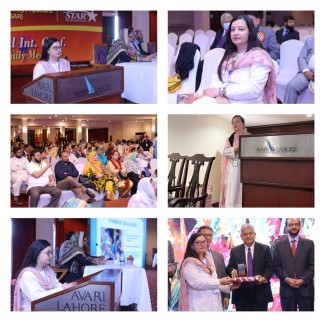
Awareness Lecture and Workshop on Risky Behaviors & Substance Use in an International Family Medicine Conference, Avari Hotel, Lahore Pakistan
Two days International Family Medicine Conference has been arranged at Avari Hotel in Lahore Pakistan on May 21 and 22, 2022. The organizers were the team members of WONCA SAR. The guest speaker/trainer invited to grace these initiatives...
Risk factors influencing the relapse of licit and illicit drug use in adolescents treated at the Institute on Alcoholism and Drug Dependence
Summary: The aim of this research was to determine the risk factors associated with drug relapses in adolescents who have received treatment at the IAFA. Methodology: Quantitative study, with correlational and cross-sectional scope...
Cognitive impairment and alcohol dependence, clinical implications
By way of conclusion, it could be said that brain damage caused by excessive alcohol consumption (ARBD) is dimensional, from mild deterioration to dementia. In any case, ARBD worsens the response to treatment and the evolution of patients...
Using Adolescent Development to Inform Prevention Practice
Participants will review major social and biological factors of adolescent development and implications for ways to approach substance use prevention/intervention. Objectives Include: - Describe prevalence rates for adolescent substance use...
Intentions and Attempts to Quit Smoking Among Sexual Minoritized Adult Smokers After Exposure to the Tips From Former Smokers Campaign
Abstract Importance Significant disparities exist in smoking behaviors by sexual minority status in the US. Objective To examine potential differences in the associations between exposure to the Tips From Former Smokers (Tips) campaign and...
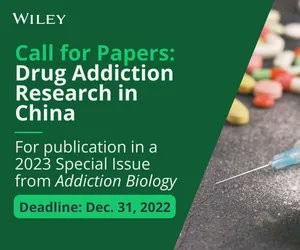
Call for Papers- Drug Addiction Research in China
Drug addiction has been a major public health problem bringing a heavy burden to patients, families and society in China historically and contemporarily. In the recent two decades, animal and clinical research on mechanisms, trajectories...