
The range of medical, psychological, and social services designed to help individuals reduce or stop substance use and manage substance use disorders. Treatment may include assessment, counselling and behavioural therapies, medication-assisted treatment, withdrawal management, and support for co-occurring mental or physical health conditions. Effective treatment is typically person-centred and evidence-informed, and may be provided in outpatient, community, or residential settings. Treatment aims to improve health and functioning, reduce substance-related harms, and support individuals in moving toward recovery and long-term wellbeing.
Treatment
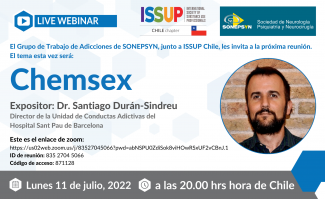
Evento SONEPSYN / ISSUP Chile: Chemsex
Este lunes 11 de julio, a las 20:00 hrs. se realizará la reunión académica del Grupo de Trabajo de Adicciones de Sonepsyn, junto a ISSUP-Chile.
Respiratory events associated with concomitant opioid and sedative use among Medicare beneficiaries with chronic obstructive pulmonary disease
Abstract Background Opioids and sedatives are commonly prescribed in chronic obstructive pulmonary disease (COPD) patients for symptoms of dyspnoea, pain, insomnia, depression and anxiety. Older adults are advised to avoid these medications...
Another Milestone for Kenya: Launch of the National Standard on Management of Persons with Substance Use Disorders
According to the International Standards for the Treatment of Drug Use Disorders (2020), the use of psychoactive drugs or narcotic drugs and psychotropic substances without medical supervision is associated with significant health risks...
Adaptation of the Universal Treatment Curriculum to Philippine Context and Online Environment
BACKGROUND: The Universal Treatment Curriculum (UTC) is offered to the academic community to integrate substance use-specific knowledge, skills, and evidence-based practices into the continuing professional development of current and future...
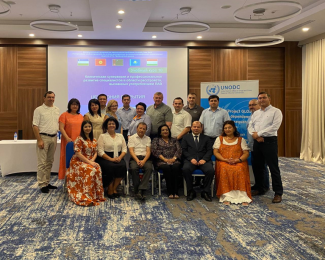
UNODC supports introduction of Advanced Level of the Universal Treatment Curriculum for Substance Use Disorders in Central Asia
The UNODC Regional Office for Central Asia (UNODC ROCA) organized a Regional Training of Trainers (ToT) on Course 18 – “Clinical Supervision” of the Advanced Level of the Universal Treatment Curriculum for Substance Use Disorders (UTC...
Efficacy and Safety of Varenicline for Smoking Cessation in Patients With Type 2 Diabetes A Randomized Clinical Trial
Abstract Importance Evidence of effective smoking cessation interventions in patients with diabetes is limited. The unique behavioral and metabolic characteristics of smokers with type 2 diabetes warrants a randomized clinical trial of the...
New Psychoactive Substances (NPS) Webinar Series
Various NPS have significantly changed the picture of drug use in different countries. They are now very prominent in the drug market. Indeed, many of these substances are intended to circumvent drug laws and are sold as ‘legal’...
Oxytocin as an adolescent treatment for methamphetamine addiction after early life stress in male and female rats
Abstract Early life stress (ELS) is associated with perturbed neural development and augmented vulnerability to mental health disorders, including addiction. How ELS changes the brain to increase addiction risk is poorly understood, and...
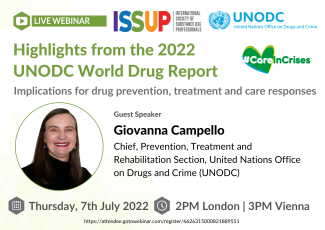
Highlights from the 2022 UNODC World Drug Report: Implications for drug prevention, treatment and care responses
ISSUP presented a webinar on Thursday, July 7, 2022, featuring Giovanna Campello, Chief of the Prevention, Treatment and Rehabilitation Section, United Nations Office on Drugs and Crime (UNODC) presenting highlights from the 2022 edition of...
Highlights from the 2022 UNODC World Drug Report: Implications for drug prevention, treatment and care responses
ISSUP presented a webinar on Thursday, July 7, 2014, featuring Giovanna Campello, Chief of the Prevention, Treatment and Rehabilitation Section, United Nations Office on Drugs and Crime (UNODC) presenting highlights from the 2022 edition of the UNODC World Drug Report. The presentation included implications on drug prevention, treatment and rehabilitation responses during times of crisis.