
The range of medical, psychological, and social services designed to help individuals reduce or stop substance use and manage substance use disorders. Treatment may include assessment, counselling and behavioural therapies, medication-assisted treatment, withdrawal management, and support for co-occurring mental or physical health conditions. Effective treatment is typically person-centred and evidence-informed, and may be provided in outpatient, community, or residential settings. Treatment aims to improve health and functioning, reduce substance-related harms, and support individuals in moving toward recovery and long-term wellbeing.
Treatment
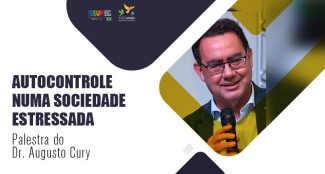
Self-control in a stressed society – Lecture by Dr. Augusto Cury
Dr. Augusto Cury , in his lecture at the 7th Freemind Congress, talks about how to maintain self-control in a stressed and digitally intoxicated society In the history of Freemind, two people have been, are and will always be very important...
Patient Perceptions About Opioid Risk Communications Within the Context of a Randomized Clinical Trial
Abstract Importance Opioid overdose rates continue to increase, and extant literature suggests that many individuals who use heroin were first introduced to opioids through a medical prescription. Objective To explore patient experiences...
Navigating the complexity of harm and care: a qualitative study of self-harm and alcohol use
Watch the video of the SHAAP/SARN 'Alcohol Occasionals' webinar, held over Zoom on 23 May 2022: "Navigating the complexity of harm and care: a qualitative study of self-harm and alcohol use" by Dr Amy Chandler and Annie Taylor from the...
Care for co-occurring heavy alcohol use & depression
Watch the video of the SHAAP/SARN 'Alcohol Occasionals' webinar, held over Zoom on 21 June 2022: "‘I’m just getting the impression I have to sort myself out’: How people with co-occurring heavy alcohol use and depression describe the care...
UNODC discussed the protection of adolescents and young people from psychoactive and narcotic drugs at a round table “Youth for a healthy lifestyle”
On 10 August, 2022, UNODC jointly with the representatives of ministries and state departments of the Republic of Uzbekistan, members of the Youth Parliament at the Legislative Chamber and the Senate of the Oliy Majlis (Parliament), as well...
Is a brain-based understanding of addiction predominant?
Abstract Introduction Brain-based explanations of addiction have become a prominent explanatory model in recent decades. Although opposing views have been published, there is no large-scale study of researchers' opinions, unlike for...
Association of Methamphetamine and Opioid Use With Nonfatal Overdose in Rural Communities
Abstract Importance Overdoses continue to increase in the US, but the contribution of methamphetamine use is understudied in rural communities. Objective To estimate the prevalence of methamphetamine use and its correlates among people who...
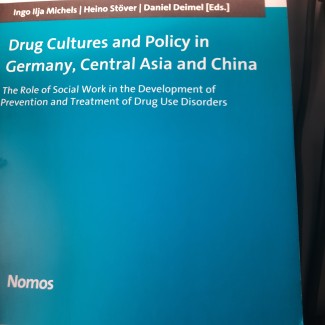
Drug Cultures and Policy in Germany, Central Asia and China
This volume emerged from the 25th International Week at Frankfurt University of Applied Sciences. The contributions it contains are based on papers that examine social work in the areas of drug use and treatment, HIV/AIDS and other...
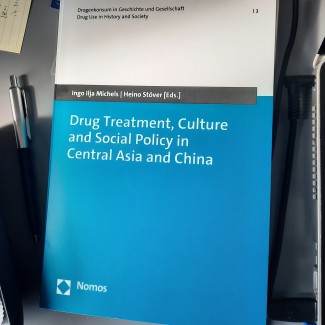
Drug Treatment, Culture and Social Policy in Central Asia and China
Central Asia (CA) and China are key regions in terms of international efforts to tackle illicit drug trafficking and the problems related to it such as addiction. Modern and effective approaches to treating drug use disorders, according to...
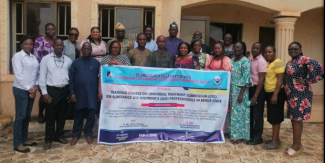
UTC Report in Benue state, Nigeria dated 1st August 2022.
The training on Universal Treatment Curriculum 1 & 2 organized by Foundation for Changing Lives Against Substance Abuse (FOCLASA) took place between 1st to 6th August, 2022 at the conference hall of Smile View Hotel, Makurdi, Benue State, Nigeria.