
Prevention

Evidence-informed strategies and interventions designed to reduce the likelihood of substance use and related harms. Prevention efforts aim to reduce risk factors and strengthen protective factors at the individual, family, community, and societal levels. These approaches may include education, family and school-based programmes, community initiatives, and policies that promote healthy environments. Prevention can be universal (targeting entire populations), selective (targeting groups at higher risk), or indicated (targeting individuals already showing early signs of risk). By addressing the factors that influence substance use before problems develop or escalate, prevention plays a key role in comprehensive responses to substance use disorders and related social and health challenges.

Tobacco Use Among Lesbian, Gay, Bisexual and Transgender Young Adults

Scientific article
 - 
It is recognised that smoking and use of tobacco products among lesbian, gay, bisexual, transgender and queer (LGBTQ) young adults is higher compared to their heterosexual and cisgender peers. Although it is believed that within the LGBTQ...

Drug Education Booklet

Guide
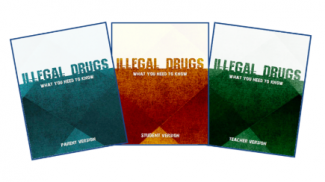
These booklets for teachers, parents and students contain evidence-based information on illegal drugs. For parents and teachers, the booklets include guidance about how to talk to a young person about illegal drugs, common reasons for drug...

Planet Youth in Chile

News
The Chilian government has announced the development of the 'Choose to Live Without Drugs' system in Chile. Here, the director of Public Space and psychiatrist Mariano Montenegro describes the Icelandic model that inspired "Choose to live...

GISA Trains School Principals on UPC in Nigeria

News
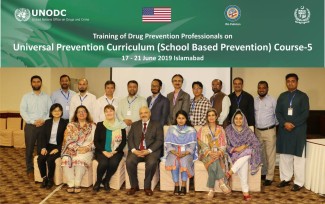
Global Initiative on Substance Abuse (GISA) has commenced the training of secondary schools principals in Lagos state, Nigeria on the Universal Prevention Curriculum (UPC) for Substance Use Disorders. Leading on from the first batch of a 6...