
Systematically collected information used to understand patterns of substance use, substance use disorders, treatment needs, and drug market dynamics. This may include epidemiological data, service utilisation records, treatment outcomes, law enforcement intelligence, and public health surveillance. Data helps identify emerging trends, assess the effectiveness of prevention and treatment programmes, monitor trafficking and market activity, and guide evidence-informed policy and decision-making. Reliable data systems are essential for improving responses to substance use and ensuring that interventions are targeted, effective, and responsive to population needs.
Data
European Drugs Winter School 2021
The EMCDDA and the University Institute of Lisbon (ISCTE-IUL) are offering two upcoming events in 2021: the European Drugs Winter School (EDWS) and the European Drugs Summer School (EDSS).
The EDWS will take place as a virtual event from 1–12 March 2021 and will explore the theme of 'Responses to, and preparedness for, health-related threats (COVID-19 lessons learned)'.
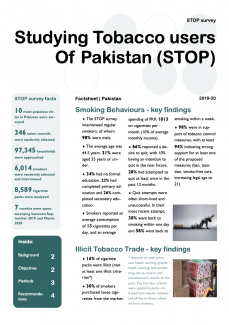
Studying Tobacco users Of Pakistan (STOP) Factsheet
EMCDDA Technical Report on New Psychoactive Substance
E-cigarette Use Among Adults in China
46th Annual Alcohol Epidemiology Symposium of the Kettil Bruun Society
About the symposium
The primary purpose of the symposium is to provide a forum where researchers involved in studies on alcohol can exchange ideas about their ongoing research. The scope of the symposium includes studies of determinants and consequences of drinking, drinking cultures and patterns, social and institutional responses to drinking related harms prevention and care.
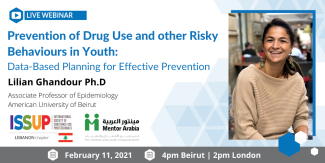
Webinar | Prevention of Drug Use and other Risky Behaviours in Youth: Data-Based Planning for Effective Prevention
Monitoring the Future Study: Trends in Prevalence of Various Drugs
State of the Nation
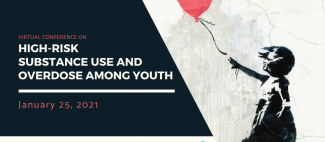
High Risk Substance Use and Overdose Among Youth Conference
The rising numbers of young people with high-risk substance use, especially suffering from overdose, is alarming. Adolescence and young adulthood (under the age of 25) is the period of highest incidence and greatest impact of mental health and substance use disorders, yet there are no youth-specific services in place.