Religious Community and Faith vs. Substance Use Disorder
ISSUP Global presents a webinar on, "The Religious Community and Faith in the Face of Substance Use Disorder"
Join as an individual or organization
When we talk about recovery, we no longer look at only stopping substance use, abstinence or sobriety alone. The remission of symptoms is only one aspect of the process, and even that is sometimes debated in the research. Recovery is...
Recovery capital includes all the internal and external resources that a person has at their disposal to help them get engaged in and subsequently build and strengthen their recovery. The more recovery capital one has, the stronger their...

The Centers for Disease Control and Prevention (CDC), in conjunction with the White House Office of National Drug Control Policy (ONDCP), is issuing this Health Advisory to notify public health professionals, clinicians, laboratorians, and...
The Wellness Recovery Action Plan (WRAP) is a structured, self-management tool for substance use and mental health. It was developed by Mary Anne Copeland in the early 1990s, based on the lived experiences of people in recovery, and focused...
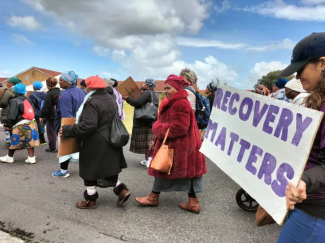
Inclusive Recovery Cities was developed by Professor David Best and Professor Charlotte Colman, based on the idea that recovery from substance use and alcohol is not limited to the individual or to clinical treatment, but is about...
William White has become one of the defining voices in the world of recovery. He did not set out to lead the movement – he set out to understand the people treatment systems were failing. Over the last five decades, his work has helped to...

Recovery in the context of substance use is generally recognised as a process of change through which individuals improve their health and wellness, live self-directed lives, and strive to reach their full potential. This definition...

This issue is the second of a special two-part series. Part 2 examines key factors driving stimulant use, what these trends mean for different groups of people and the responses being implemented to reduce harms.
Three key points of...
This issue is a special two-part series. The first part features a regional breakdown of reports from seven Canadian Community Epidemiology Network on Drug Use (CCENDU) nodes and five drug checking services from across the country. It...