Webinar: ISSUP Ukraine - Clinical Aspects of Substance Use Disorders
On Thursday, July 2, 2020 ISSUP Ukraine presented a webinar on Clinical Aspects of Substance Use Disorders. The webinar was presented in Ukrainian and Russian.
Join as an individual or organization
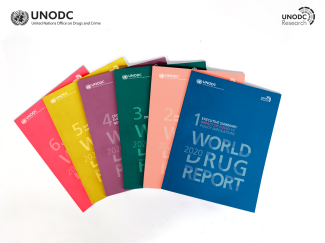
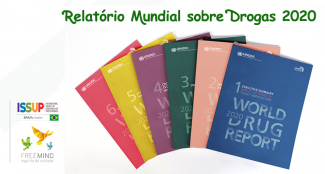
Presented in six separate booklets, the World Drug Report 2020 provides a wealth of information and analysis to support the international community in implementing operational recommendations on a number of commitments made by Member States...
Smoking rates among people with a mental health condition are significantly higher than in the general population.
Research has also found that individuals with mental health issues who smoke are more likely to smoke heavily and extract...
Herramientas, estrategias y dispositivos desarrollados por las Ong’s miembros de FONGA con el objetivo de garantizar la continuidad de la atención psicosocial y educativa en el contexto del COVID-19.
OBJETIVO
El presente proyecto se...
Global drug consumption increases, while COVID-19 impacts markets, according to the World Drug Report 2020, released on June 25, 2020 by the United Nations Office on Drugs and Crime (UNODC).
The Report shows that around 269 million people...

Alcohol withdrawal can be uncomfortable and occasionally life threatening. Pharmacological management of alcohol withdrawal is an essential component of alcohol dependence. Benzodiazepines (BZDs), nonsedating anticonvulsants and...
The International Day Against Drug Abuse and Illicit Trafficking, also known as 'World Drug Day', is celebrated annually on 26 June. The theme of World Drug Day 2020 is "Better Knowledge for Better Care."
The field of addressing the drug...
Aim: The aim was to map and describe the university-based addiction studies programs in Africa, as part of continuing international research.
Methods: The study was conducted in 2016–2017. The first phase was based on Google and...

The National Institute on Drug Abuse has put together information on the potential implications of this pandemic on those who struggle with substance use disorder.
The social distancing that is required during this COVID-19 outbreak has...
International Day against Drug Abuse and Illicit Trafficking
Better Knowledge for Better Care
Changing Substance Use...

This webinar is the first in a series called “Supporting People With Addiction During COVID-19”, hosted by the National Academy of Medicine and the American Society for Addiction Medicine.
Matej Kosir, Director, the Utrip Research and Development Institute (UTRIP) discusses how to successfully advocate for new university programming on drug demand reduction.
The Action Collaborative on Countering the U.S. Opioid Epidemic held a web-based listening session that focused on the perspectives and experiences of clinicians caring for patients with chronic, non-cancer pain.
This is a recording of...
Presentation by Drs. Chia Francis and Mashika Esther
This webinar will illuminate the level of drug use in Nigeria, efforts made so far to address access to drug abuse treatment services in Nigeria, and details of a study regarding access...
According to Botvin (2004) and Sloboda (2004), there is empirical evidence that prevention programs, such as Life Skills, based on knowledge, identification of risk factors and development of psychosocial skills related to drugs are more...

People who have been incarcerated are approximately 100 times more likely to die by overdose in the first two weeks after their release than the general public. Despite high rates of opioid use disorder among justice-involved individuals...