Medication Samples and Smoking Cessation Among Adults A Randomized Clinical Trial
Source:
Abstract
Importance...

Join as an individual or organization
Source:
Importance...
This work emerges from clinical observation in addiction treatment settings regarding a frequent yet systematically overlooked phenomenon: the convergence of cocaine use and sexual activity as a specific relapse mechanism. It is proposed...
Este trabajo surge de la observación clínica en dispositivos de tratamiento de adicciones sobre un fenómeno frecuente y sistemáticamente ignorado: la convergencia entre el consumo de cocaína y la actividad sexual como mecanismo específico...
Abstract
Importance People with opioid use disorder (OUD) are often hospitalized for emergent medical problems, but opioid use is seldom addressed during the inpatient stay. In a recent trial, patients randomized to Substance Use...
May is recognized globally as Mental Health Awareness Month, a time to encourage open conversations, challenge stigma, and promote emotional well-being for all. Across many cultures, however, men continue to face unique barriers when it...

This practical toolkit highlights the role of faith-based and community leaders in responding to the opioid crisis in the United States. Developed by the U.S. Department of Health and Human Services, it recognizes that community and faith...
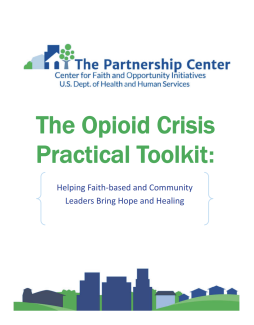
This study reviews evidence on the role of faith and spirituality in preventing substance use and supporting recovery. It highlights that many addiction treatment programs in the United States include a spiritual component, particularly...

ISSUP, in collaboration with the Inter-American Drug Abuse Control Commission (CICAD), will host a high-priority Knowledge Exchange Session on Faith-Based Approaches, bringing together ISSUP National Chapters across Latin America to...

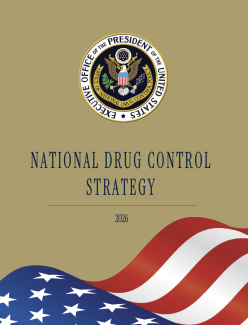
The 2026 National Drug Control Strategy outlines a comprehensive roadmap to reduce illicit drug use and protect communities across the United States. It prioritizes stopping the flow of drugs and precursor chemicals at all borders through...
This study examines how changes in religiosity influence recovery outcomes among people in addiction treatment. It finds that individuals in faith-based programs show higher and increasing levels of religiosity over time, which is linked to...

This webinar presents key findings from a recent scoping review examining how artificial intelligence and social media are creating new opportunities for the detection and prevention of substance use, including among hard-to-reach...
Gender-based violence (GBV) has the potential to affect men with substance use disorder either as victims, perpetrators, or both. This can significantly disrupt recovery from substance use disorders (SUD) and negatively impact mental health...

Drug use in Sri Lanka has become an increasingly serious public health and social challenge in recent years. The misuse of both traditional substances like cannabis and emerging drugs such as heroin and methamphetamine has affected various...

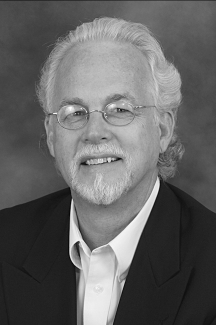
William White has become one of the defining voices in the world of recovery. He did not set out to lead the movement – he set out to understand the people treatment systems were failing. Over the last five decades, his work has helped to...
Inclusive Recovery Cities was developed by Professor David Best and Professor Charlotte Colman, based on the idea that recovery from substance use and alcohol is not limited to the individual or to clinical treatment, but is about...
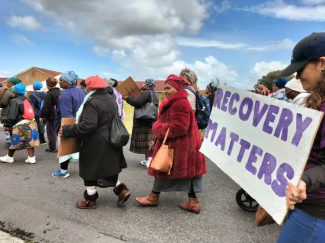
Recovery capital includes all the internal and external resources that a person has at their disposal to help them get engaged in and subsequently build and strengthen their recovery. The more recovery capital one has, the stronger their...