Annual Drug Report
Summary
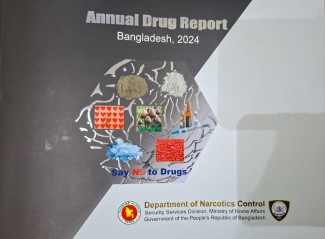
Drug addiction is a complex and multidimensional social problem. Drug-addicted families never fully recover from the anxiety and...
Join as an individual or organization
Summary
Drug addiction is a complex and multidimensional social problem. Drug-addicted families never fully recover from the anxiety and...
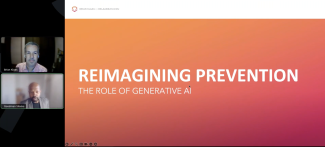
ISSUP, in partnership with the International Consortium of Universities for Drug Demand Reduction (ICUDDR), recently hosted an engaging and forward-looking webinar titled “Reimagining Prevention: The Role of Generative Artificial...
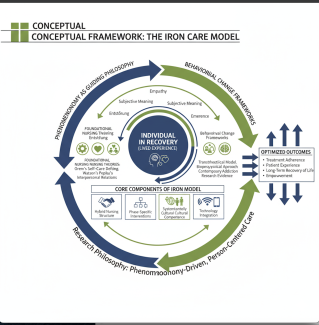
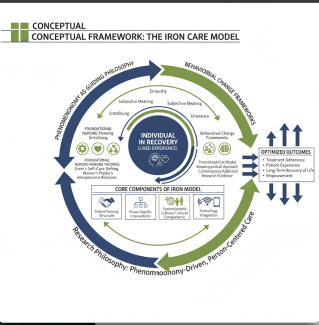
I was honoured to participate in the EHS International Mental Health Conference 2025 as a poster presenter. My presentation reflected the core principles of the Integrated Recovery-Oriented Nursing (IRON) Care Model, emphasizing the...
Building the Future Together: Joanna Travis-Roberts on 10 Years of ISSUP
In the final episode of the series, Associate Professor Goodman Sibeko sits down once again with ISSUP Chief Executive Joanna Travis-Roberts to look back on a decade...
This policy brief by the Canadian Centre on Substance Use and Addiction critically evaluates the role and effectiveness of Drug Treatment Courts (DTCs) in Canada. DTCs are intended to divert individuals with substance use disorders (SUDs)...
This article presents key studies from the National Institute of Justice’s (NIJ) Courts Research Portfolio that examine pretrial, prosecution, and sentencing policies promoting alternatives to incarceration, such as Veterans Treatment...
Construire l’avenir ensemble : Joanna Travis-Roberts à propos des 10 ans de l’ISSUP
Une série spéciale en trois parties célébrant les 10 ans de l’International Society of Substance Use Professionals (ISSUP).
Dans ce deuxième épisode, l...
ISSUP is pleased to announce the call for nominations for four (4) Youth Representatives to serve on the National Chapters Advisory Committee (NCAC). These positions will represent Africa, Asia, Europe, and the Americas, ensuring that young...
ABSTRACT
Opioid use disorder (OUD) is associated with a high risk of premature death. Medication-assisted treatment (MAT) is the primary treatment for opioid dependence. We comprehensively assessed the effects of different MAT-related...
There is a gap between evidence-based treatment with medications for opioid use disorders (OUDs) and current practices of probation departments who supervise individuals with OUDs. Many probationers with OUDs cannot...
In this study, we aimed to investigate the sociodemographic characteristics of the individuals who mandated to the probation unit as the substances they use, their compliance with the programs, treatment outcomes and...
Background and objectives: Drug courts provide an array of substance use treatments and community-based services for probationers struggling with substance use disorders. We assessed substance use treatment services utilization...
Substance use disorders are common among justice-involved populations, the majority of whom are under community supervision in the form of probation. Substance involvement can amplify the challenges of complying with requirements...
Screening, brief intervention, and referral to treatment (SBIRT) is an evidence-based practice that has been shown to reduce alcohol and drug use in healthcare, educational, and other settings, but research on the...
Background: Addictive disorders are significant global public health burdens. Treatment uptake with these disorders is low and outcomes can be mixed. Electronic screening, brief intervention, and referral to treatment (e-SBIRT)...